Helmholtz Institute Freiberg for Resource Technology (HIF) accelerates geological decision-making using Specim hyperspectral imaging and the SisuROCK workstation.
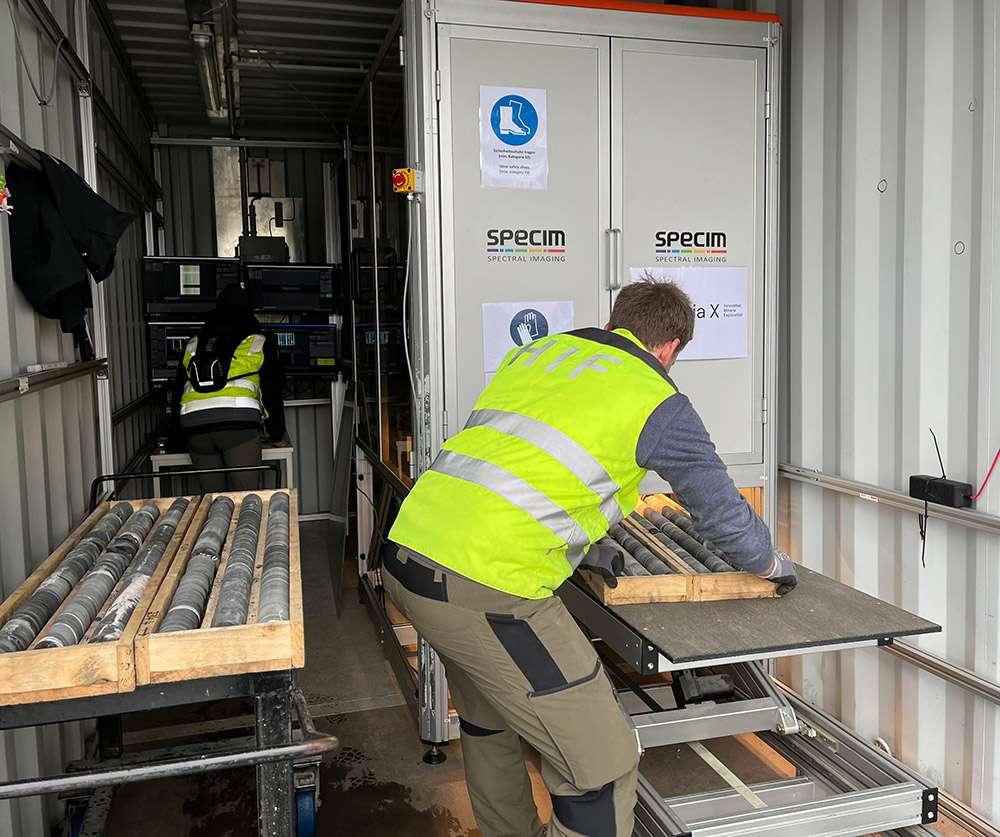
Image 1. Real-time hyperspectral drill core scanning with the SisuROCK workstation at Helmholtz Institute Freiberg, enabling rapid mineral mapping for exploration decision-making. Image courtesy of Helmholtz Institute Freiberg.
In mineral exploration, decisions about drilling direction or blasting need to be made fast. Delays in mineralogical data directly translate into higher costs and missed opportunities. Reliable and fast mineral characterization is critical for both mining research and industry.
The Helmholtz Institute Freiberg for Resource Technology (HIF) at HZDR develops in its exploration department technologies for faster and more objective geological exploration. Led by Dr. Richard Gloaguen, the Exploration Technology division set out to reduce the time spend with traditional mineral analysis of drill cores.
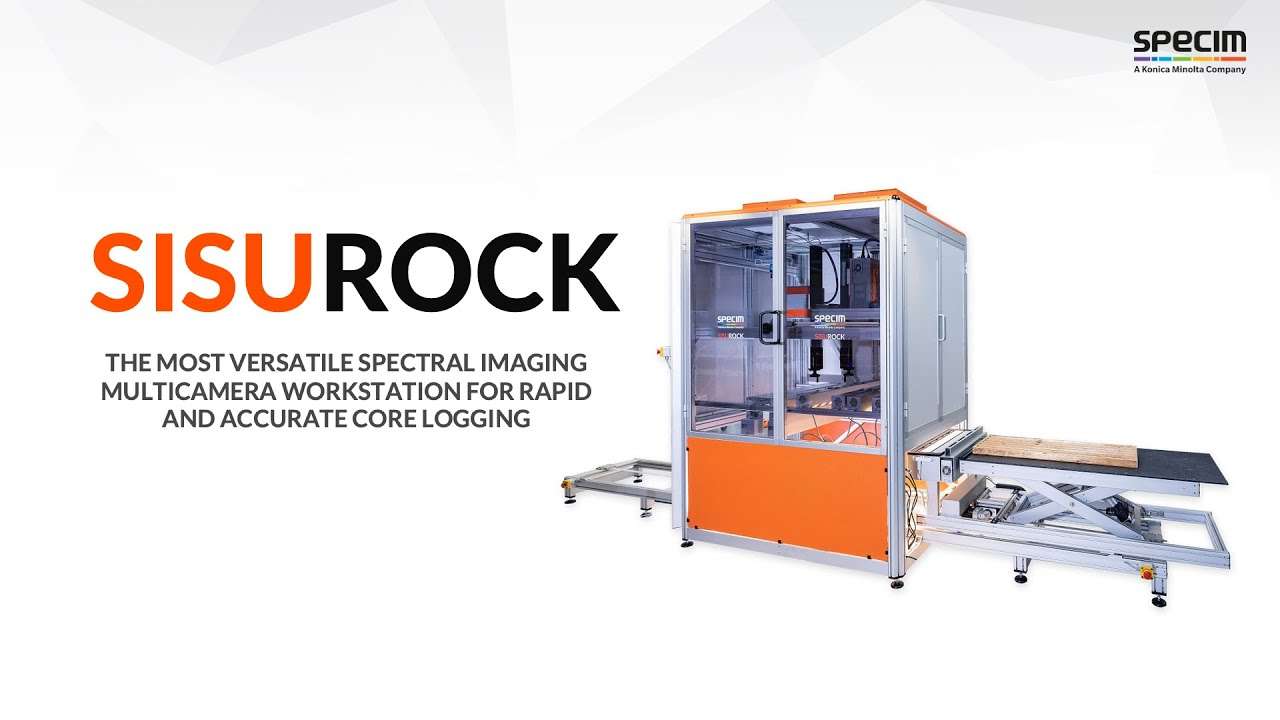
By implementing Specim’s SisuROCK drill core scanning workstation and hyperspectral imaging technology with machine learning and data fusion techniques, the team can now generate mineralogical maps and quantitative information in real-time to support faster decisions in exploration and mining workflows.
“If you are drilling, you want results while you are drilling, not weeks later. Waiting costs a lot. With hyperspectral imaging and the SisuROCK system, we can deliver mineralogical information fast enough to directly support decision-making.”
 Dr. Richard Gloaguen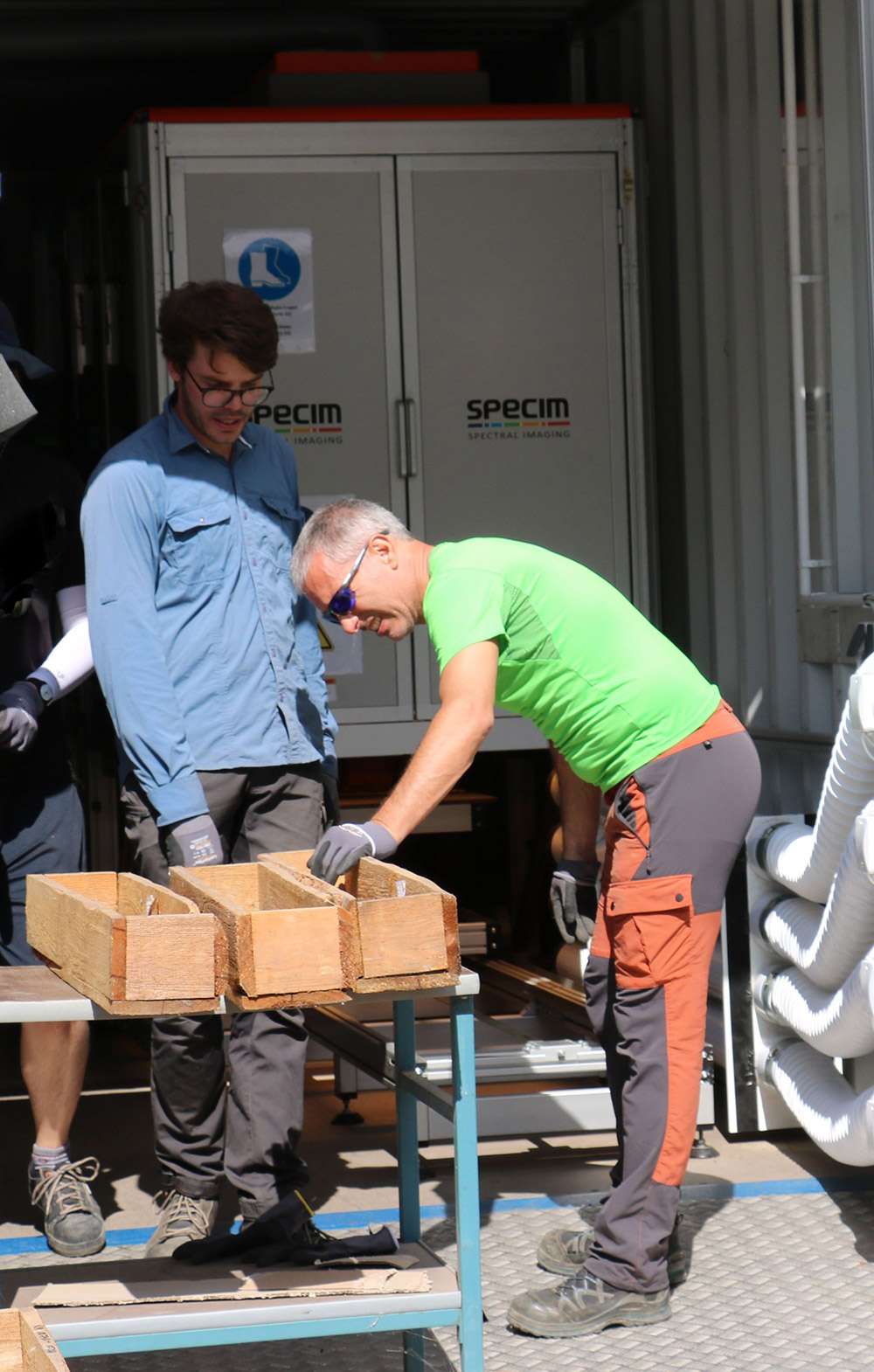
Image 2. Dr. Richard Gloaguen, Head of Exploration Technology at the Helmholtz Institute Freiberg for Resource Technology, inspecting drill cores during hyperspectral scanning with the SisuROCK workstation. Image courtesy of Helmholtz Institute Freiberg.
The challenge: slow, subjective, and fragmented drill core analysis
Traditional drill core analysis relies heavily on manual geological logging, laboratory measurements, and expert interpretation. While well established, this approach comes with clear limitations:
- Slow turnaround times – mineralogical results may take weeks or months
- Subjective interpretation – results depend on individual expertise
- Limited scalability – difficult to apply consistently across large core archives
- Disconnected datasets – mineralogy, petrophysics, and structural data are often analyzed separately
For both research projects and mining companies, these constraints limit how effectively drill core data can guide active exploration and decision making.
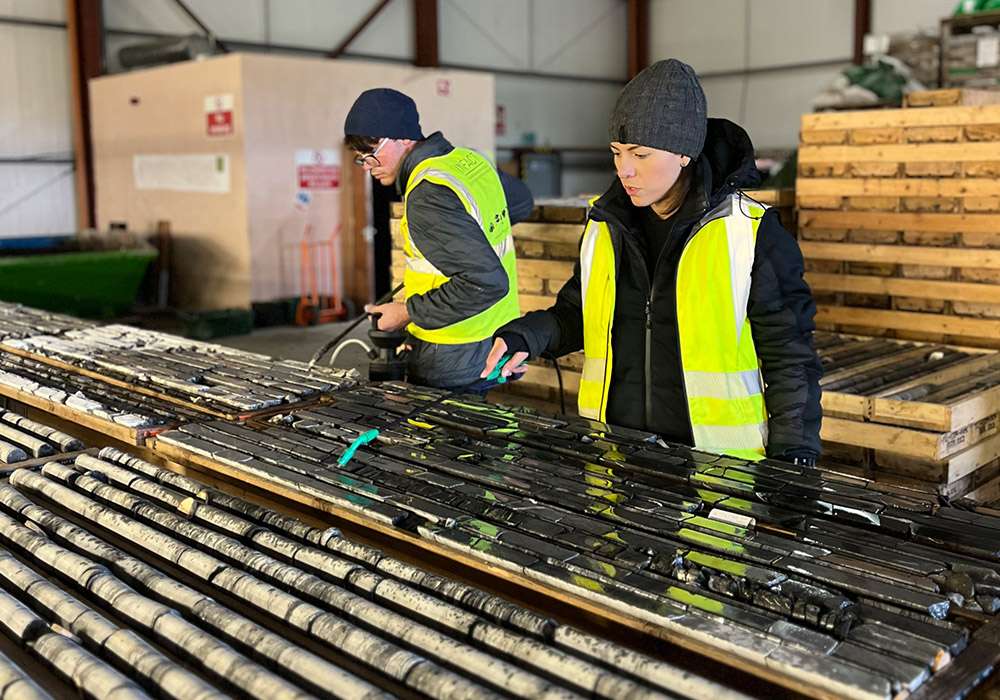
Image 3. Drill cores prepared for hyperspectral scanning as part of a high-throughput mineral mapping workflow. Image courtesy of Helmholtz Institute Freiberg.
A new approach: hyperspectral scanning with real-time processing
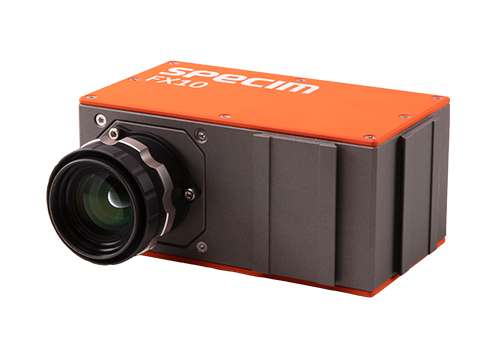
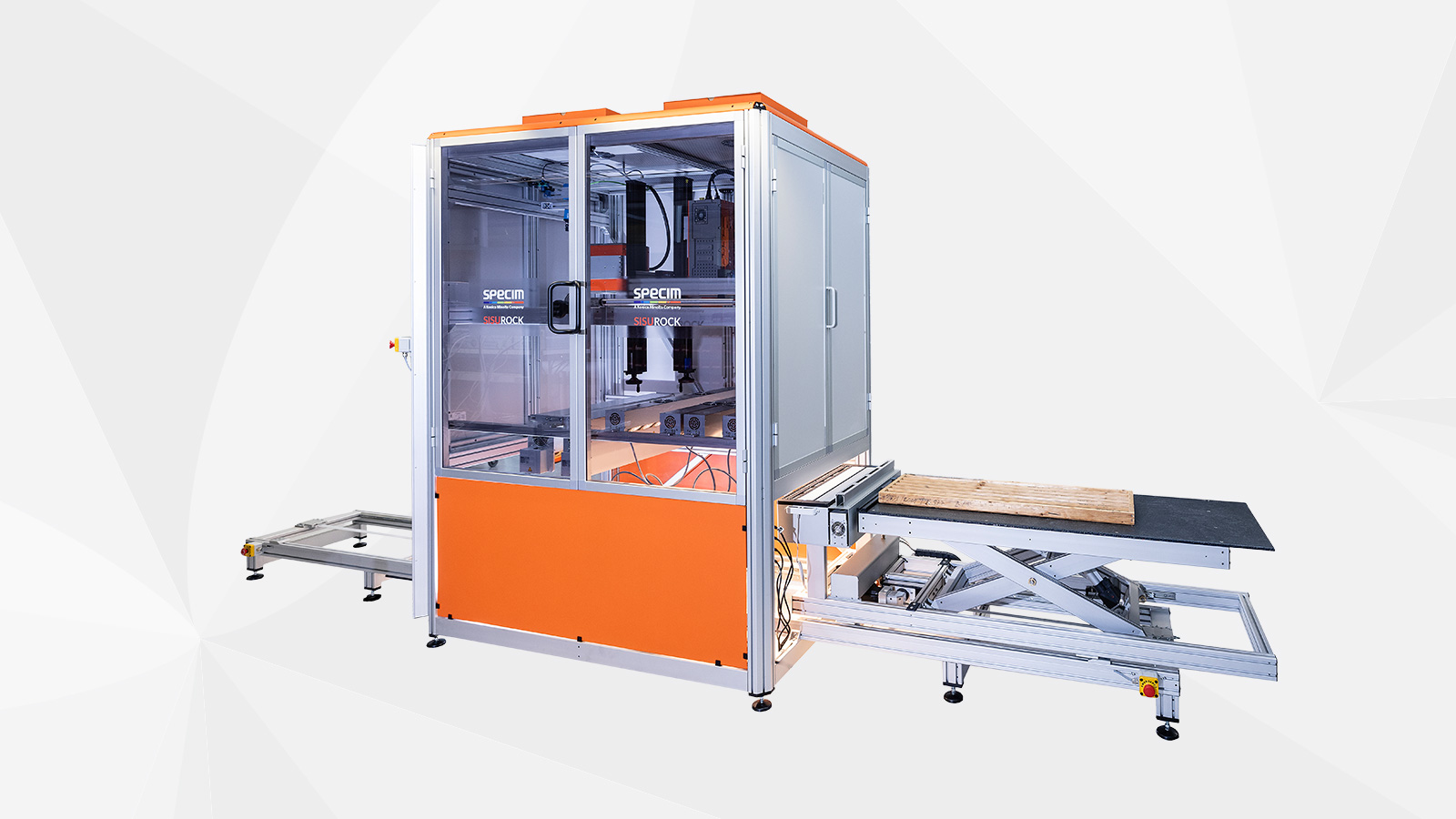
To address these challenges, the HIF implemented a comprehensive hyperspectral scanning setup based on Specim technology, centered around the SisuROCK drill core scanning system and hyperspectral cameras. The system integrates hyperspectral cameras with precise spatial co-registration, allowing spectral, spatial, and structural information to be captured simultaneously along entire drill cores.
Covering the spectral range from visible to short-wave infrared (VNIR–SWIR), the setup enables detailed mineral characterization across a wide variety of geological materials.
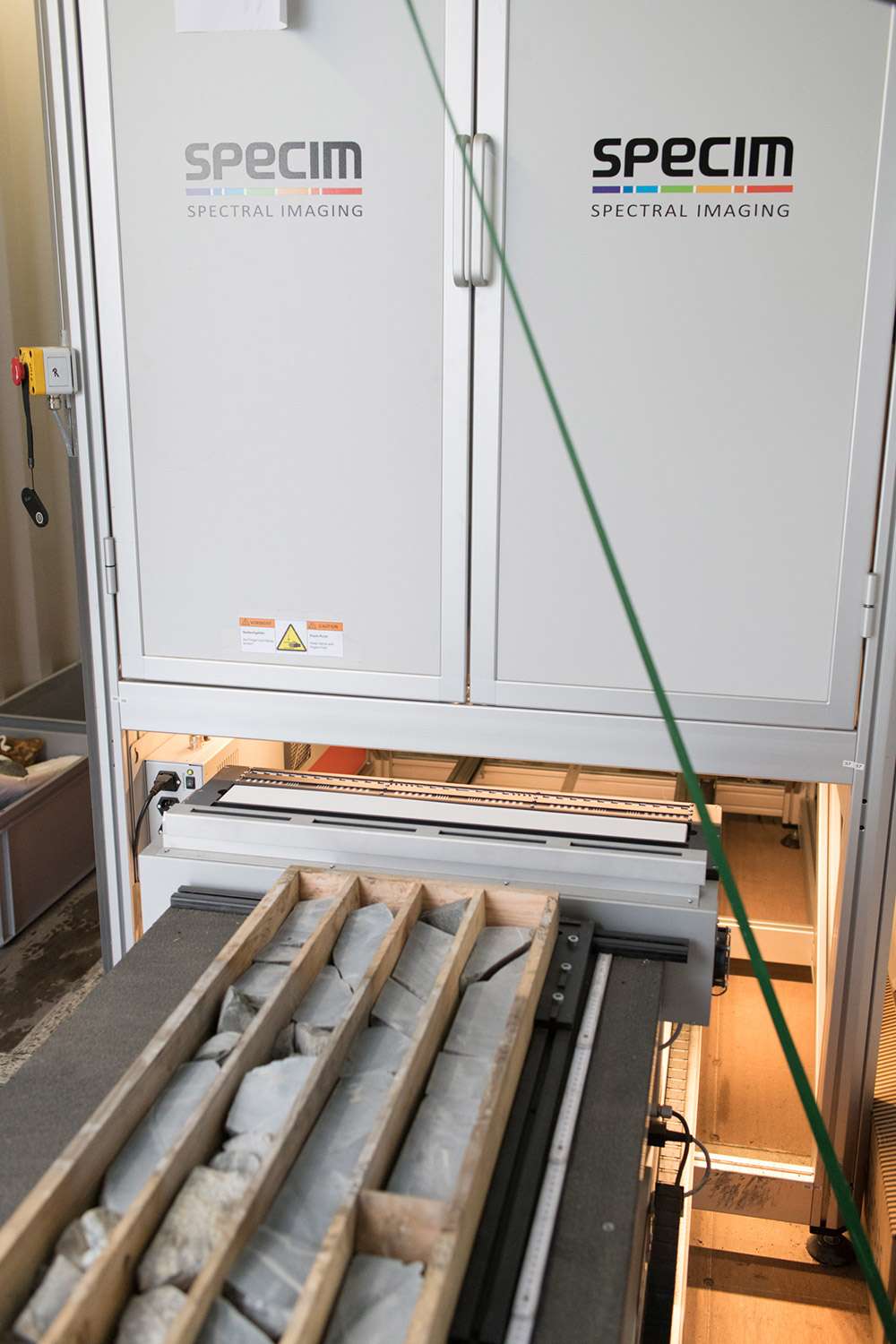
Image 4. The SisuROCK hyperspectral drill core scanning station installed in a containerized laboratory, enabling rapid and consistent mineral analysis directly at exploration sites. Image courtesy of Helmholtz Institute Freiberg.
Multi-sensor data fusion and machine learning
To improve the accuracy and resolution of mineral maps, the Helmholtz Freiberg team integrates hyperspectral data with complementary sensor information. Data from RGB imaging, XRF measurements, and high-resolution SEM-MLA mineralogical analysis are combined.
This multi-sensor approach is particularly valuable for detecting low-abundance minerals and fine-scale features, such as thin veins and alteration halos that are critical for exploration targeting.
To handle the large data volumes generated by continuous scanning, the team employs advanced machine learning methods, including generative AI-based clustering and dictionary learning. These techniques enable automated interpretation of complex mineral assemblages and quantitative estimation of mineral abundances.
Real-time data processing supports decision making
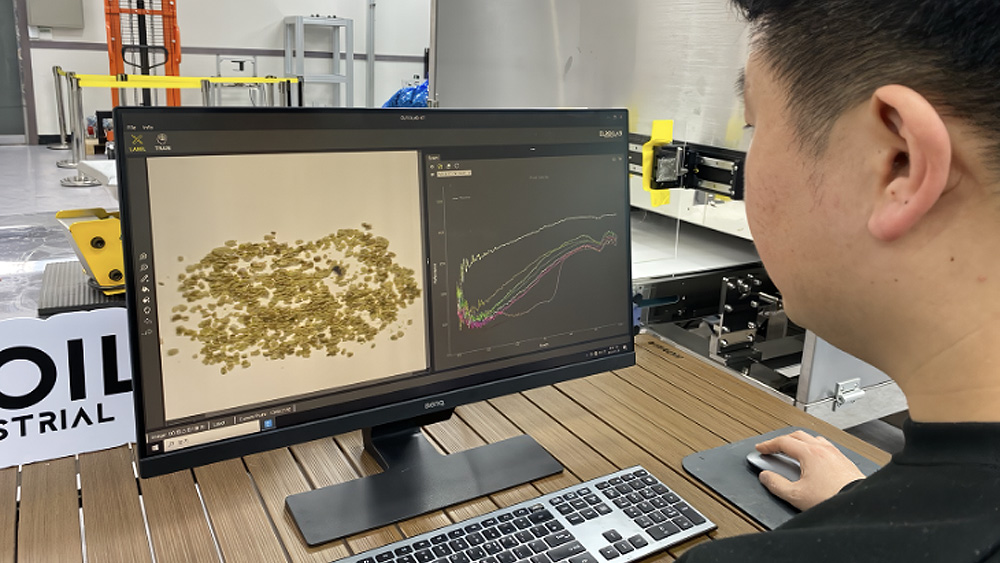
Another major milestone is the development of a real-time data processing and visualization workflow. Using custom routines and open-source software tools such as the HyWiz visualization platform, mineralogical results can be inspected almost immediately after scanning.
Instead of delivering complex spectral data that requires specialist interpretation, the system outputs ready-to-use mineral maps that can be directly applied by geologists and engineers.
“Most mining companies cannot afford dedicated hyperspectral specialists. What they need are ready-to-use mineral maps and that’s exactly what we can deliver,” Dr. Gloaguen explains.
This capability allows geologists to make faster, more informed decisions in the field, adjust drilling strategies on the fly, and select samples more effectively for downstream laboratory analysis.
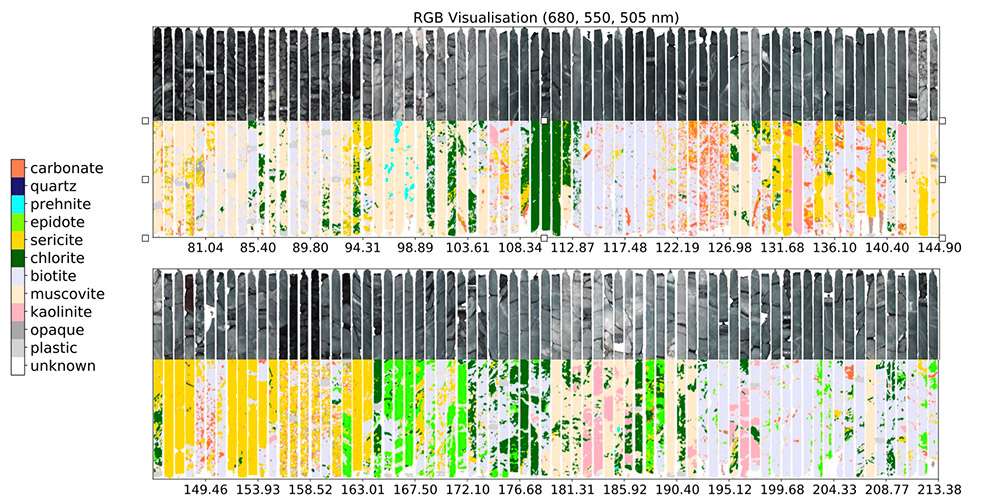
Image 5. Hyperspectral mineral mapping of drill cores. Image courtesy of Helmholtz Institute Freiberg.
From drill cores to 3D geological models
Looking ahead, the team’s goal is to integrate hyperspectral and multi-sensor data into interactive 3D geological models. By identifying large-scale alteration patterns and “alteration footprints,” geologists can better understand subsurface processes and vector toward new ore deposits.
At the same time, the workflow is designed to maximize the value of both new and legacy drill cores stored in national archives, ensuring that data is captured consistently and remains accessible for future research and exploration projects.
Benefits:
- Real-time mineral maps instead of weeks-long analysis cycles
- Objective and repeatable results, reducing dependence on subjective logging
- Improved decision-making during active drilling operations
- Lower analysis costs by reducing the need for extensive laboratory work
Bridging research and real-world exploration
For the HIF, Specim’s hyperspectral imaging technology and the SisuROCK drill core scanning workstation provide a practical solution to one of mineral exploration’s most critical challenges: time. The system has proven reliable in both laboratory settings and demanding field environments, supporting the transition from research innovation to practical application in mining and exploration.
Specim’s ability to deliver hyperspectral imaging solutions across the full spectral range from VNIR to LWIR makes it a credible and reliable partner for developing next-generation geological exploration workflows.
“Specim is uniquely placed in the market with their full spectral range capability. The quality and robustness of the instruments are excellent, and the support has always been outstanding.” Dr. Gloaguen concludes.
About the Helmholtz Institute Freiberg for Resource Technology at HZDR
The Helmholtz Institute Freiberg for Resource Technology is part of the Helmholtz-Zentrum Dresden Rossendorf, which belongs to the HelmholtzAssociation, one of Europe’s leading non-university scientific organizations. The institute pursues the objective of developing innovative technologies for the economy so that mineral and metalliferous raw materials can be made available and used more efficiently and recycled in an environmentally friendly manner. It was founded in 2011 in the frame of the The German Government’s raw materials strategy and cooperates closely with the TU Bergakademie Freiberg. https://hzdr.de/hif