Image 1: Specim’s hyperspectral camera mounted on the robotic arm of a HyperAIxpert. Image courtesy of LemnaTec
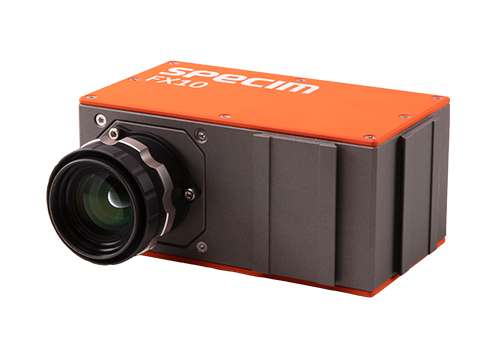
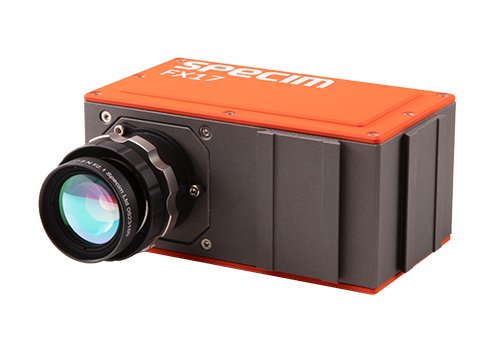
LemnaTec GmbH has been a pioneer in plant phenotyping since 1998, providing innovative hardware and software for automated plant analysis. Their flexible phenotyping systems – ranging from small-scale lab setups to fully automated platforms- address diverse needs across research, breeding, and environmental applications. By integrating Specim’s cutting-edge FX10 and FX17 cameras into their flagship PhenoAIxpert HT system as well as into the HyperAIxpert laboratory phenotyping system, LemnaTec is driving a new era of high-throughput phenotyping research—empowering researchers to gain precise, actionable insights into plant health, stress response, and developmental traits. This integration is transforming crop research and accelerating innovation in plant science.
Meeting the Need for Faster, Non-Invasive Plant Analysis
LemnaTec faced a growing demand from researchers and product developers for comprehensive, non-destructive plant analysis. They needed to accurately monitor physiological changes in crops – such as stress due to drought, heat, or salinity – and link these traits to genotypes, breeding lines, or genetic modifications. To enable modern crop research and address the demands of large-scale experiments with hundreds of plants scanned daily, LemnaTec needed a solution that combined high speed with exceptional spectral resolution.
Specim’s Hyperspectral Imaging Integrated into LemnaTec Platforms
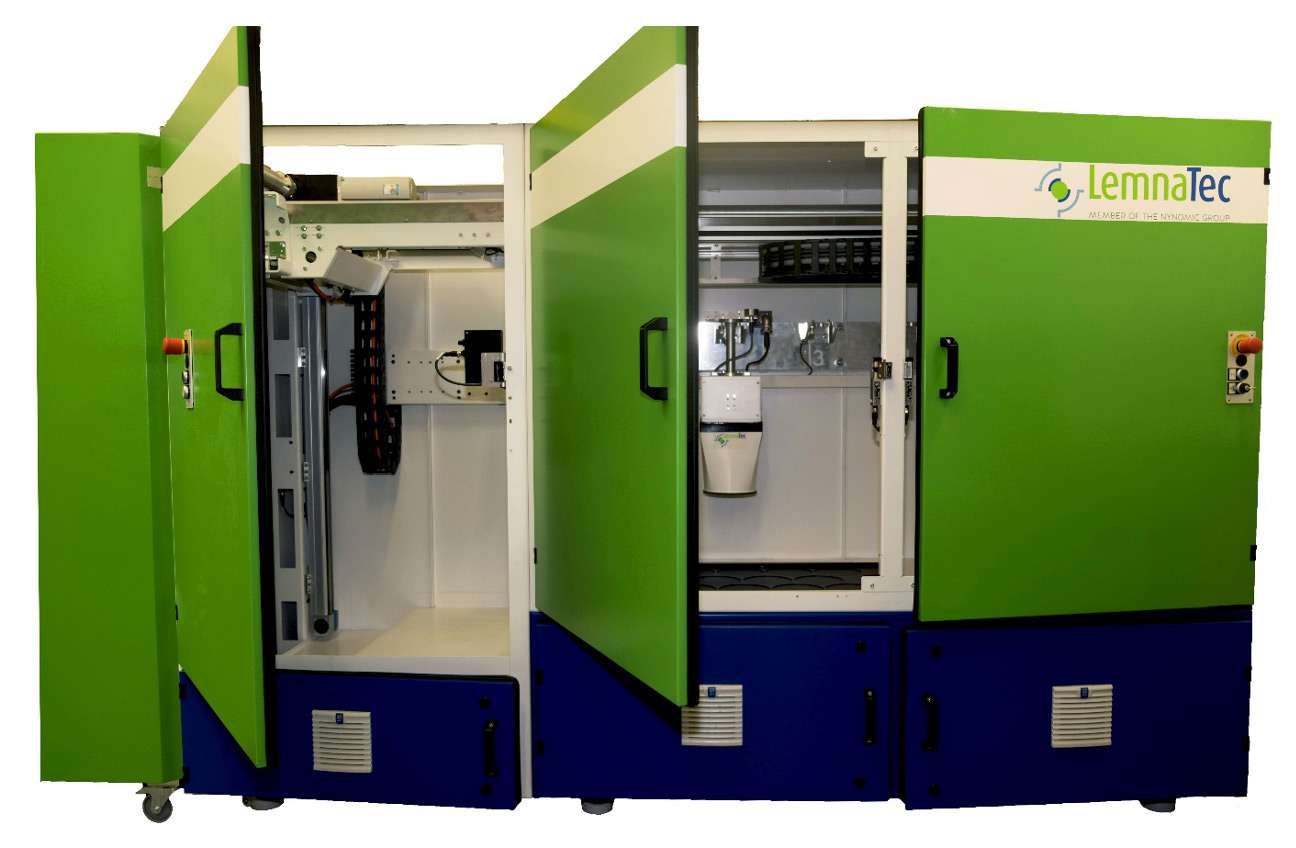
Image 2: LemnaTec HyperAIxpert with TrayProvider. Image courtesy of LemnaTec
High-Throughput Plant Scanning in the PhenoAIxpert HT
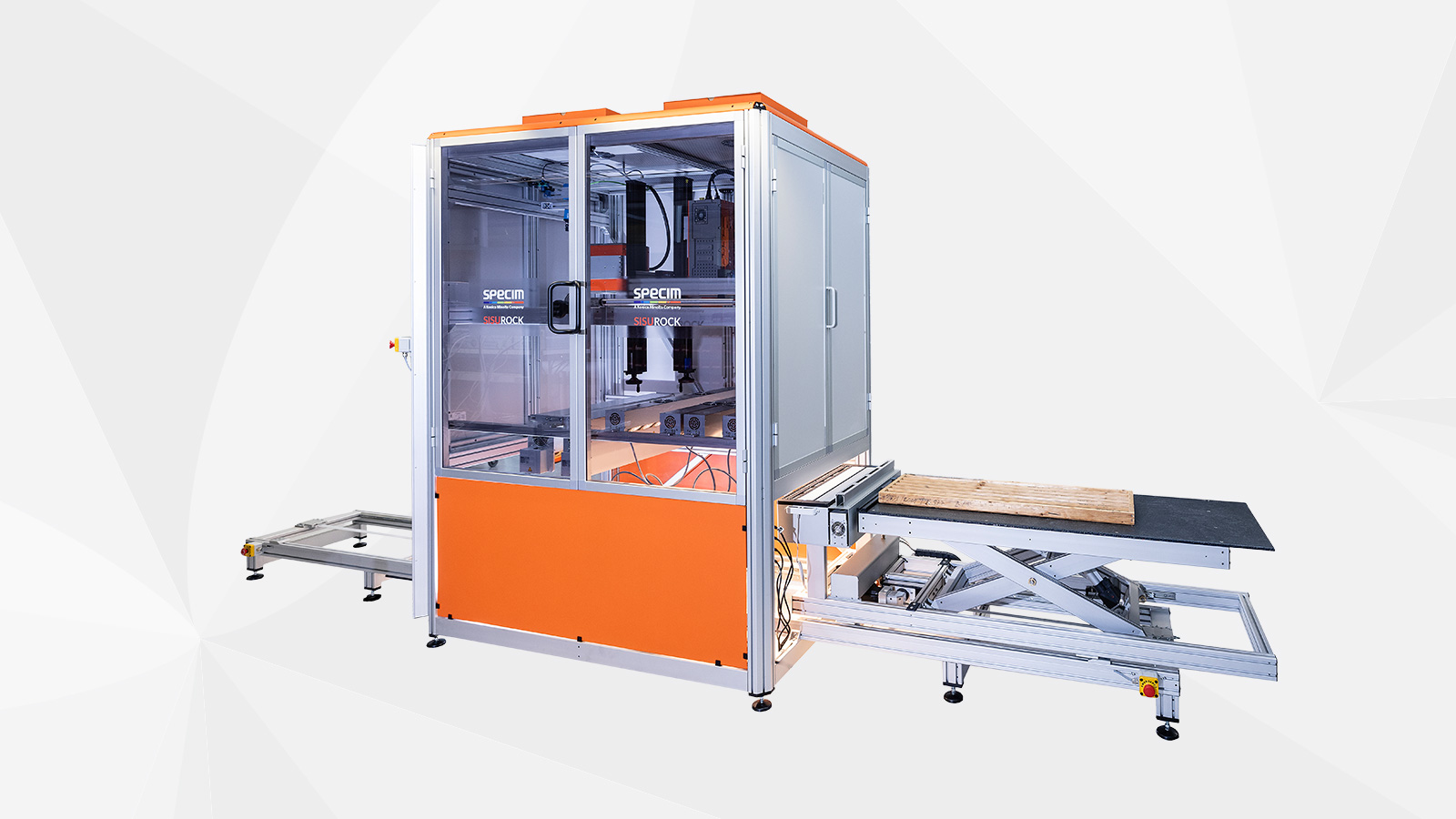
In the PhenoAIxpert HT system, hyperspectral cameras are integrated into imaging cabinets. Mounted on a scanning unit that moves both horizontally and vertically, these cameras scan entire potted plants—up to two meters in height—within an automated cabinet.
The system’s conveyor-fed layout can store and process around 1,000 plants, capturing hundreds of high-resolution scans each day.
Flexible Laboratory Imaging in the HyperAIxpert
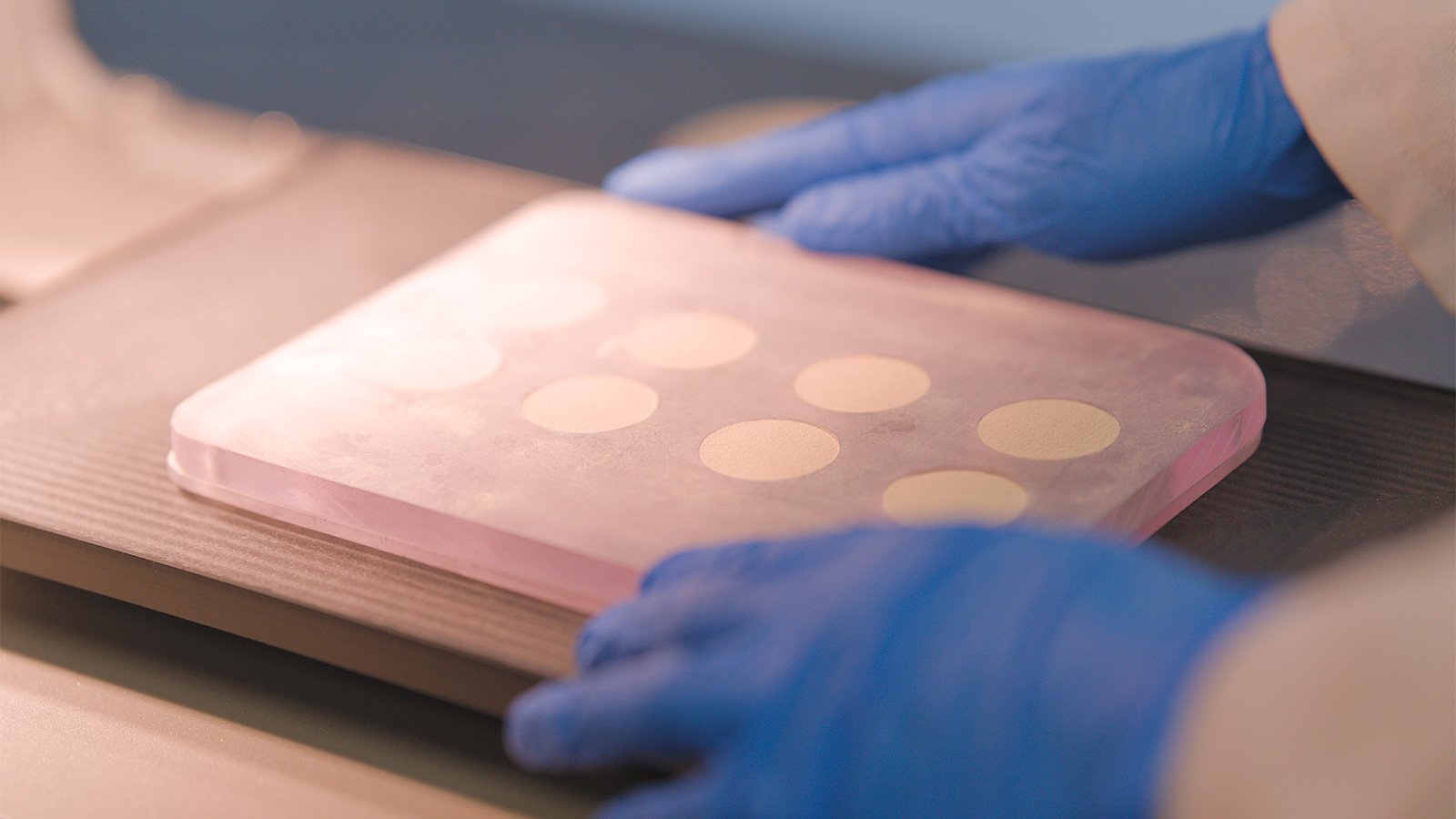
In HyperAIxpert, a robotic arm moves cameras on a sample platform containing flat samples up to 20 cm in size, such as young seedlings, herbs, or samples in MTP containers and Petri dishes. The arm has a camera exchange system that can attach cameras stored at the rear wall of the cabinet in parking positions. The system can not only operate the Specim FX10 and FX17 hyperspectral cameras, but it also works with visible light cameras and chlorophyll fluorescence cameras and laser scanners. With several samples per tray, and an optional TrayProvider, the system achieves substantial throughput of laboratory samples.
Multi-Sensor Integration for Comprehensive Data
As part of this solution, LemnaTec combined Specim’s hyperspectral cameras with other imaging and scanning technologies, including visible light, multispectral, laser scanning, IR and NIR imaging, and fluorescence imaging. Dr. Marcus Jansen, Chief Scientist at LemnaTec GmbH, explains that all collected data feed directly into the LemnaTec software suite, which enables flexible, graphical analysis pipelines without traditional coding—streamlining plant phenotyping research.
The software suite comprises LemnaControl for operating the cameras and other hardware and LemnaExperiment for management and analysis of recorded images and scans. A unique feature of the software suite is LemnaGrid, the graphical programming interface that enables users to do image analysis programming without classical code writing.
LemnaTec’s Software Suite for Plant Analysis
The software suite includes:
- LemnaControl – for operating cameras and other hardware
- LemnaExperiment – for managing and analyzing recorded images and scans
- LemnaGrid – a graphical programming interface enabling users to perform image analysis without writing traditional code
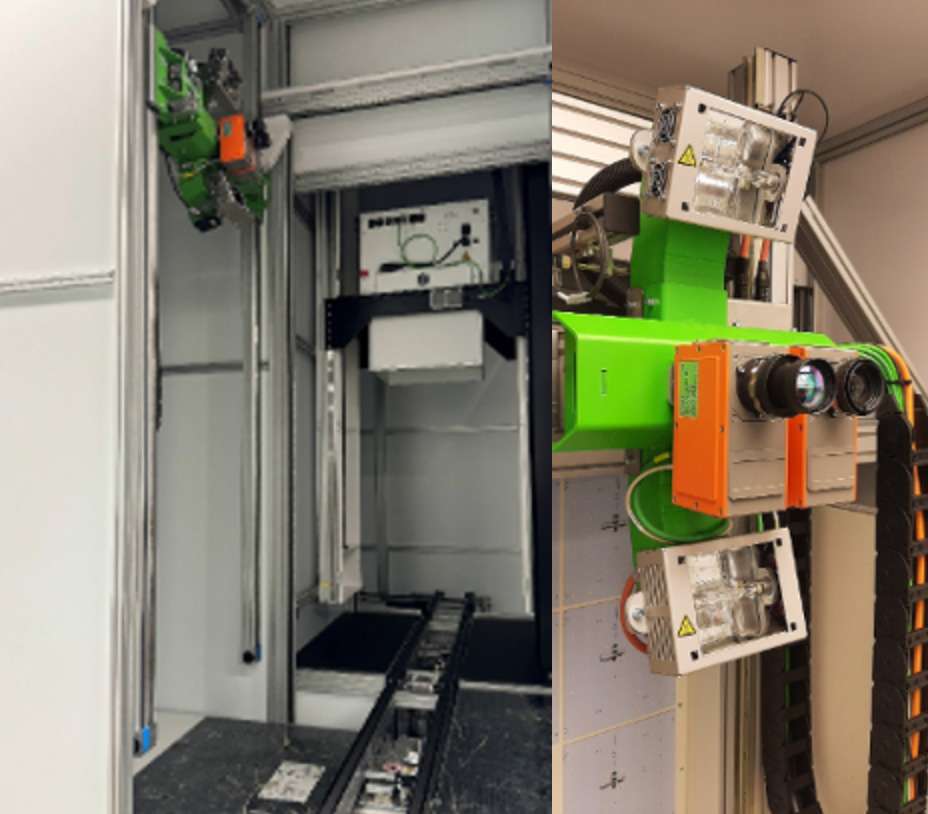
Image 3: Sensorhead with Specim’s hyperspectral cameras mounted into an imaging cabinet of a PhenoAIxpert HT. Image courtesy of LemnaTec.
Why LemnaTec Chose Specim’s Hyperspectral Cameras
LemnaTec selected Specim’s hyperspectral cameras for their robust, easy-to-integrate design and reliable industrial-grade performance.
Features such as ruggedized housings, flexible mounting options, and Gigabit Ethernet connections ensured seamless integration and real-time data capture.
“Specim’s direct technical support in Europe has also been invaluable in streamlining our project,” notes Dr. Marcus Jansen.
Key Benefits and Measurable Outcomes
With Specim’s hyperspectral imaging solutions, LemnaTec’s plant phenotyping systems have delivered:
- Comprehensive physiological data: Detection of pigments, nutrition, greenness, stress markers, diseases, and water status.
- Versatile analysis tools: Researchers can use numerous vegetation indices for quantitative trait analysis and stress assessments, supporting climate-resilient crop research.
- High-throughput capability: Automated scanning and data capture of hundreds of plants per day, dramatically reducing analysis time and enabling large-scale phenotyping studies.

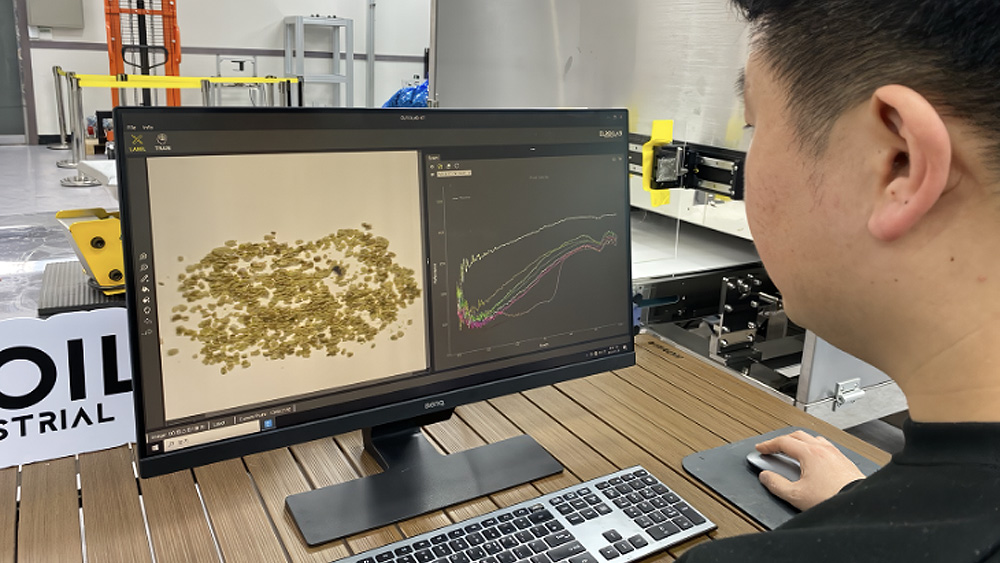
Image 4: Integration of hyperspectral imaging, RGB color detection, and NVIDIA GPU-powered neural networks for precise sorting and statistical quality control
The Future of Non-Invasive Plant Phenotyping
Looking ahead, LemnaTec expects non-invasive phenotyping to play an increasingly vital role in sustainable, data-driven agriculture. Specim’s hyperspectral imaging technology is central to meeting these evolving needs, enabling researchers and developers to accelerate climate-resilient innovation and make data-driven decisions faster.
Pioneering the Future of Crop Research
By partnering with Specim, LemnaTec has set a new standard in plant phenotyping: faster, more accurate data collection that empowers researchers to accelerate breeding, stress response studies, and climate resilience research. Specim’s rugged and versatile hyperspectral imaging technology is an essential element in this mission—ensuring LemnaTec remains at the forefront of plant science innovation.
Want to learn more about integrating hyperspectral imaging into your research or industrial processes? Contact Specim today to explore solutions tailored to your needs.