Advanced inline meat inspection and food quality monitoring for safer, more consistent meat production.


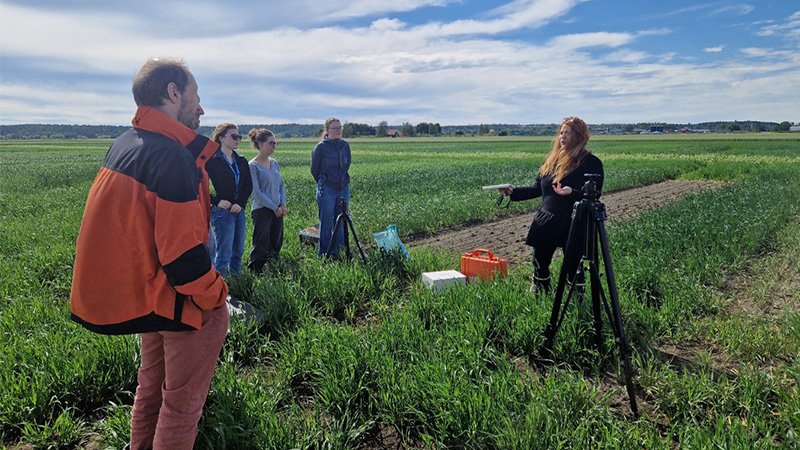
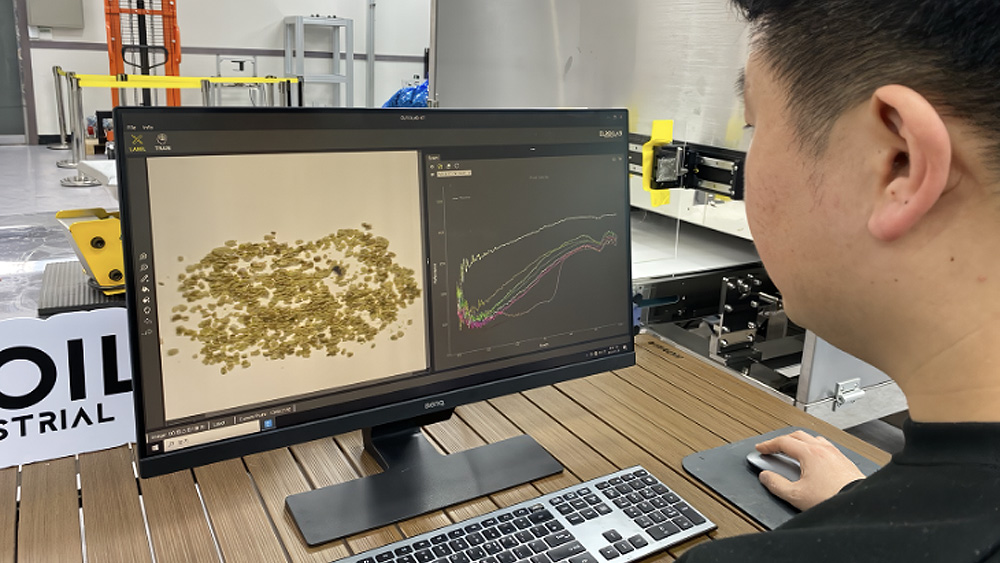
Image 1: Hyperspectral imaging reveals subtle variations in meat quality, composition, and contaminants — including bone and plastic fragments — that traditional inspection methods cannot detect.
Ensuring meat quality control is essential for food safety, brand trust, and regulatory compliance. Specim’s hyperspectral imaging solutions give meat processors the ability to detect contaminants, analyze composition, and monitor freshness in real time directly on the production line. This enables a higher level of inline quality control than RGB, X-ray, or manual inspection alone.
Why hyperspectral imaging is critical for meat inspection
Traditional inspection technologies – RGB cameras, X-ray, and metal detectors – are limited because they rely on visual appearance, density, or conductivity. Low-density contaminants, such as plastics, cartilage, wood, or soft bones, often remain invisible.
Hyperspectral imaging (HSI) solves this by capturing both spectral and spatial information from every pixel. Each material has a unique spectral fingerprint, allowing meat processors to detect:
- Fat, protein, and moisture levels
- Freshness indicators and color deviations
- Foreign materials (plastics, bone fragments, organic contaminants)
- Localized defects and quality inconsistencies
As proven by industrial systems such as INNDEO’s INSPECTRA CHP® platform, hyperspectral cameras can reliably detect even low-density contaminants in minced meat—a task that conventional technologies frequently miss.
“With Specim’s hyperspectral technology embedded in the INSPECTRA BULK INSPECTOR, we are able to detect most plastic foreign bodies on the product surface, as well as other quality issues, by comparing their spectral signatures.”
 Emilio J. de la Red Bellvis, Chief of Innovation & Business Development, INNDEO
This makes hyperspectral imaging a foundational technology for modern meat quality control and food quality monitoring.

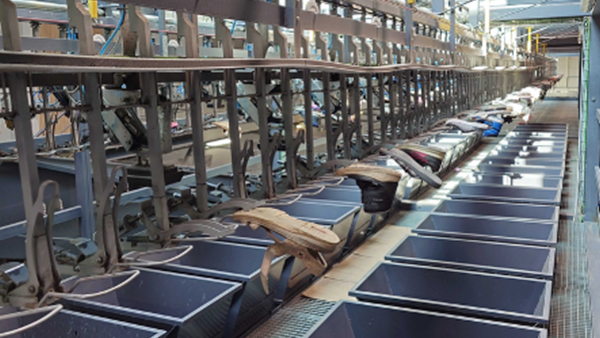
Image 2: Hyperspectral imaging identifying different low density foreign bodies in minced meat. Image courtesy: Inndeo
Inline, reliable, real-time quality control
Specim’s hyperspectral cameras integrate seamlessly into meat processing and packaging lines, providing continuous, real-time analysis of the entire product stream.
Using a push-broom line-scan principle, the system measures the full spectral response and spatial location of every pixel. This enables:
- Chemical composition mapping (fat, protein, moisture)
- Spatial distribution analysis across conveyor width
- Local defect spotting with pixel-level precision
- Detection of contaminants invisible to RGB or X-ray
This combined chemical + spatial insight ensures far more accurate, consistent inline meat inspection than traditional systems.
HSI enables meat processors to:
- Automate sorting, grading, and anomaly detection
- Maintain real-time process control without slowing production
- Quantify key parameters (fat content, moisture levels, surface uniformity)
- Reduce rework, waste, and recall risk

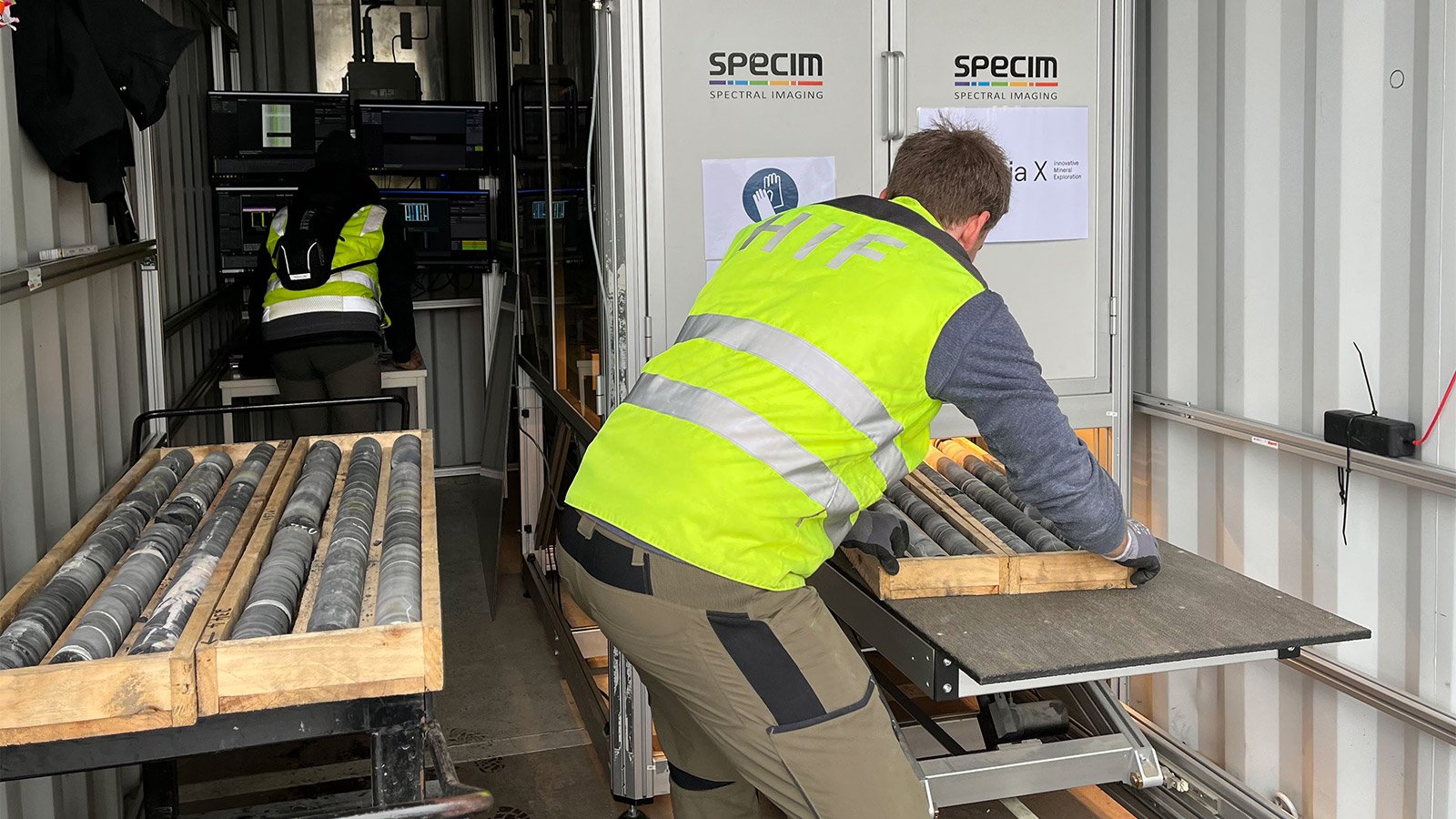
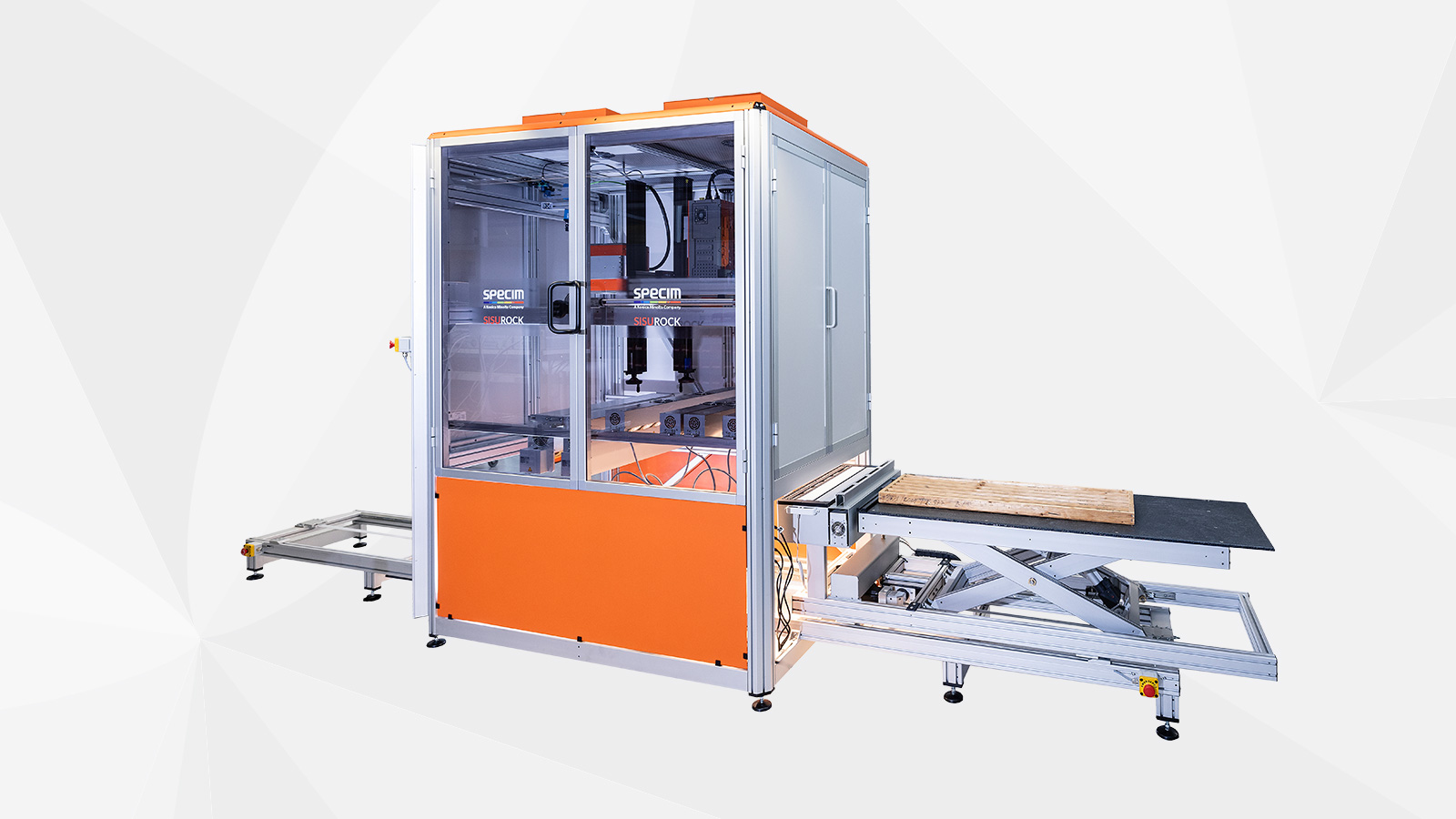
Image 3: Hyperspectral imaging technology improves quality inspection processes and increase automation in the food industry.
In practice, producers using Specim solutions monitor fat/moisture content in minced meat, detect small foreign objects, and ensure more consistent batch quality.
Specim solutions for meat quality and food safety
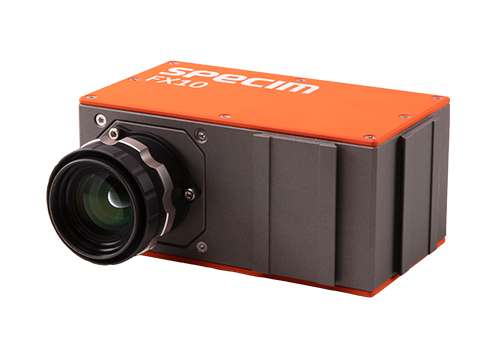
Specim FX10 – Hyperspectral camera for Visible to Near-Infrared region (400–1000 nm)
Ideal for surface-based meat inspection, capturing fine details of:
- Color and appearance deviations
- Surface contamination
- Fat distribution and texture variation
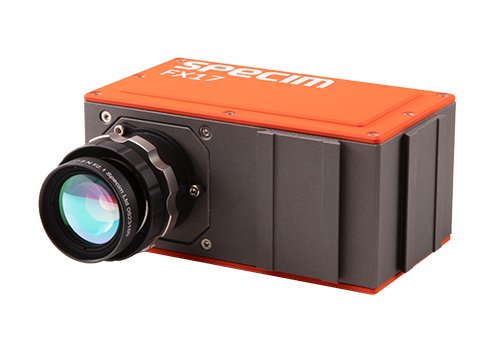
Specim FX17 – Hyperspectral camera for Near-Infrared region (900–1700 nm)
Provides deeper molecular-level analysis for:
- Fat, moisture, and protein quantification
- Freshness and quality grading
- Detection of visually indistinguishable contaminants

SpecimONE – Application development & inline deployment
A unified hyperspectral imaging platform including a hyperspectral camera, SpecimINSIGHT software and SpecimCUBE data processor for machine builders and integrators for:
- Rapid development of classification models
- Easy deployment on production lines
- Streamlined maintenance and version control
These tools allow OEMs and integrators to build industrial-grade meat quality control and grading solutions that scale and remain reliable over time.
Benefits of hyperspectral imaging for meat quality control

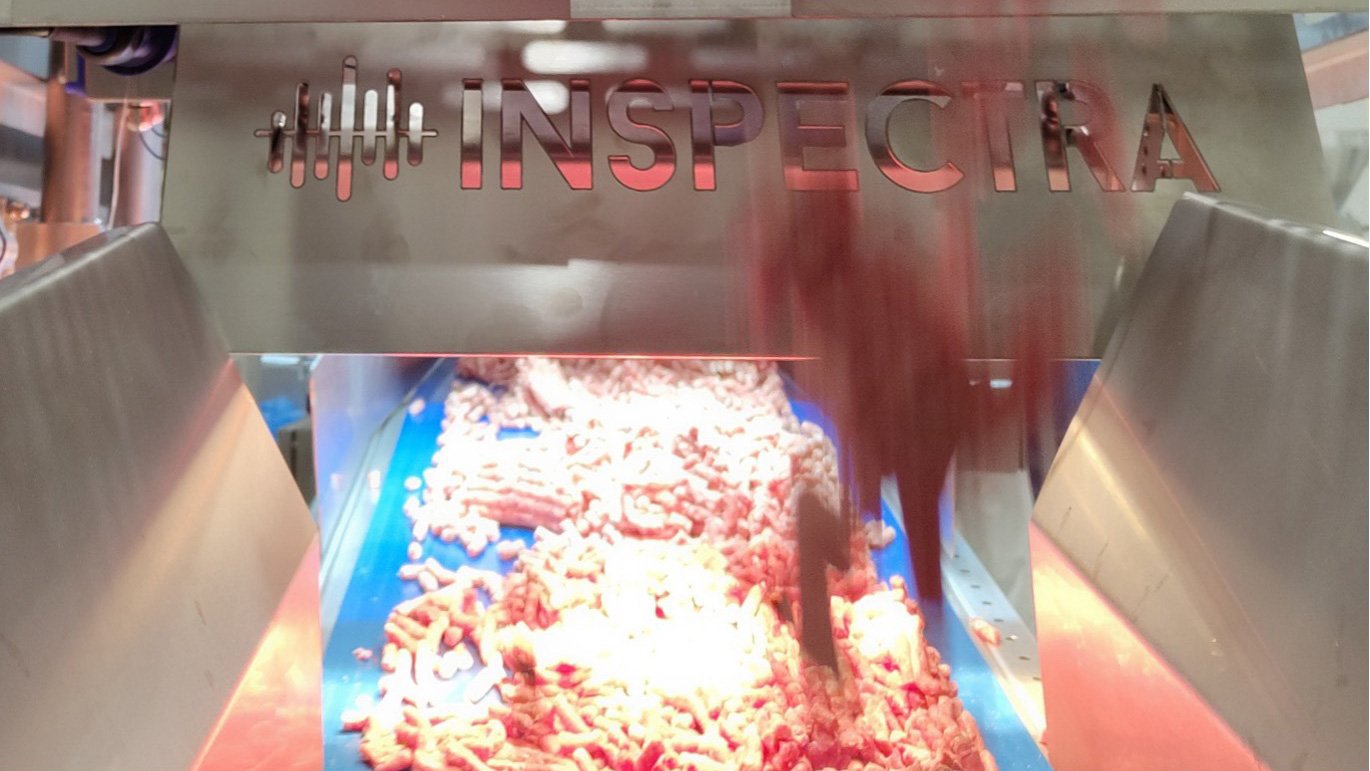
Image 4: Overview of foreign material detection and quality grading in food inspection applications.
Consistent product quality
Quantitative, pixel-level analysis ensures uniform grading and reduced batch variability.
Improved food safety & compliance
HSI detects hidden contaminants—including plastics, bone, and foreign organic materials—supporting regulatory compliance and recall prevention.
Reduced waste & rejections
Early detection of quality deviations minimizes costly rework and prevents processing full batches of defective product.
Increased customer trust
Reliable, data-driven meat inspection strengthens brand reputation and consumer confidence.
Take control of your meat quality today
Learn how Specim’s hyperspectral imaging systems can improve safety, efficiency, and consistency across your production line.