Plastic waste recycling is an increasingly urgent environmental challenge worldwide. However, achieving fully automated, high-efficiency recycling processes remains difficult.
Founded in 2016, UCY Technologies—a pioneer in optical sorting technologies—has maintained a clear mission: to improve the efficiency of plastic recycling through innovation.
To advance this mission, UCY leverages Specim’s hyperspectral imaging technology and increasingly integrates Artificial Intelligence (AI) to enhance yield and generate reliable statistics from industrial processes.
Today, the company develops and supplies advanced optical sorting and quality inspection solutions to customers around the world.
One of its recent projects involved modernizing a customer’s outdated sorting line, which still relied on manual labor—even when processing high-quality German deposit bottle materials. UCY set an ambitious goal: to eliminate manual sorting entirely while ensuring the line could also handle lower-quality input materials without compromising purity or efficiency.
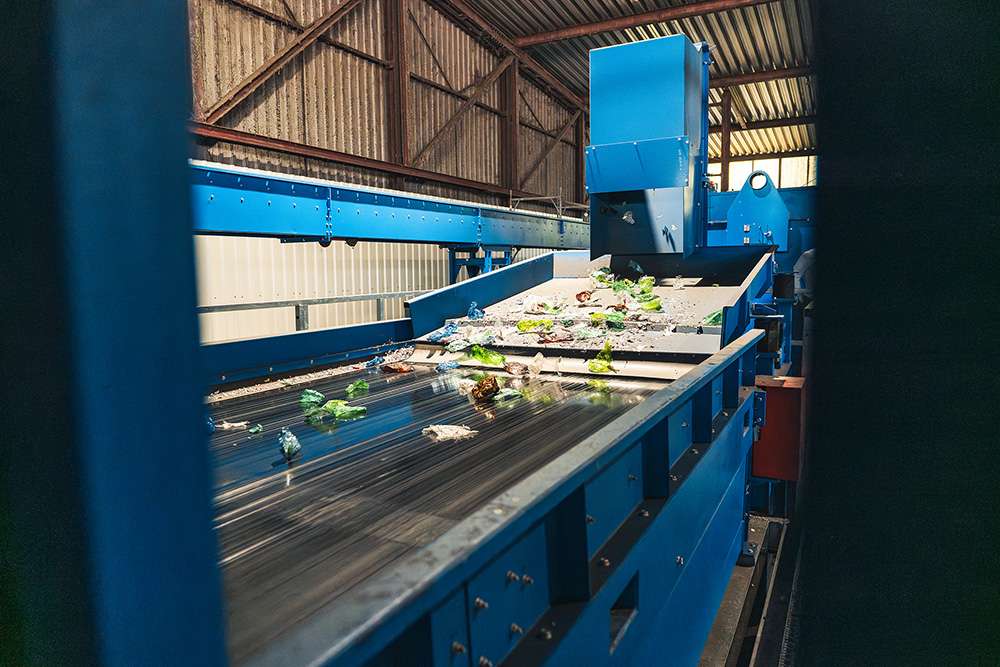
Image 1: UCY’s modernized optical sorting line equipped with Specim hyperspectral cameras, designed to automate plastic sorting and boost efficiency.
HSI technology offers superior sorting reliability and flexibility
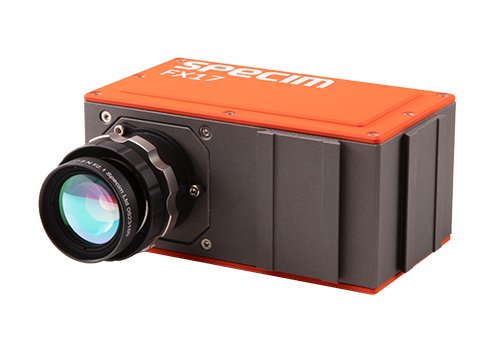
At the heart of the UCY’s optical sorting solution are the Specim FX17 and Specim GX17 hyperspectral cameras – both high-speed push-broom (line-scan) systems operating in the near-infrared spectral range up to 1700 nm, ideal for industrial material inspection and classification. These sensors enable the real-time, reliable detection and separation of PET from contaminants such as PVC, HDPE, ABS, other plastics, and organic materials like wood, paper, and banana sleeves.

Image 2: Specim FX17 high-speed, near-infrared line-scan hyperspectral camera identifying plastics and contaminants in real time.
Unlike fixed multispectral setups, Specim’s hyperspectral cameras capture either the full spectrum or a selectable range of wavelengths at runtime. This enables reconfiguration throughout the machine’s entire lifecycle, eliminating the need to define all potential material distinctions during the initial design and manufacturing phases.
Alternative solutions, such as those using multiplexers or lasers, often include moving parts like rotating mirrors or laser diodes, which require regular replacement and recalibration. In contrast, hyperspectral cameras are solid-state devices and typically remain maintenance-free for many years, offering robust industrial performance.
“Specim products have consistently provided a reliable solution for capturing high-quality, reproducible spectra for real-time analysis in industrial environments,” says Maximilian J. Söllner, Group CEO at UCY Ventures Group.

Image 3: Real-time, reliable detection and separation of plastics and contaminants by hyperspectral imaging
Enhancing Precision with AI and RGB Imaging
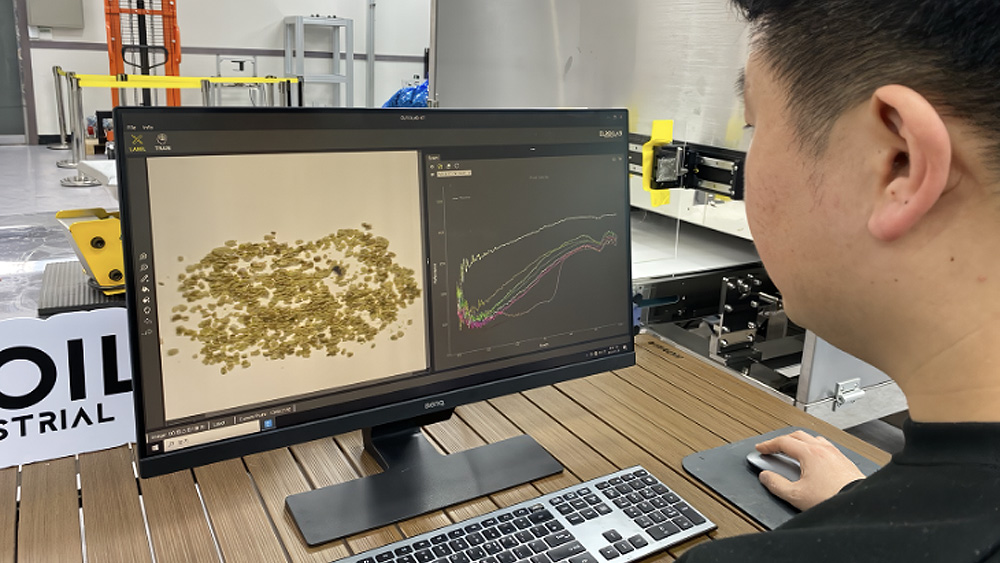
To make sorting even more precise, UCY combines Specim’s hyperspectral imaging with RGB cameras for color and shape detection. They also use powerful NVIDIA GPUs to run their own AI-based neural network models.
This hybrid approach results in thorough, real-time object analysis, ensuring maximum sorting accuracy and the generation of detailed statistical records for industrial quality control.

Image 4: Integration of hyperspectral imaging, RGB color detection, and NVIDIA GPU-powered neural networks for precise sorting and statistical quality control
Partnering for Real-World Performance
Choosing the right technology partner was critical to the success of UCY’s project. Specim was selected for its strong industrial focus in hyperspectral imaging—delivering solutions tailored to real-world production requirements at a competitive cost, rather than being limited to research applications.
“Specim is one of the few companies that is both well-established and backed by a world-renowned conglomerate, while still being approachable enough to provide personalized, high-quality support,” says Söllner.

Image 5: UCY sorting machine with Specim HSI camera system ensures near-100% uptime.
Tackling the Black Plastic Challenge
Black plastic sorting is a major topic—and one of the key challenges UCY will focus on next. Black plastics absorb most visible and near-infrared light, making them difficult to detect and differentiate for conventional optical sorters. However, with the advanced capabilities of the Specim FX50 HSI camera, which operates in the mid-wave infrared (MWIR) range, it is possible to identify and sort also black plastics based on their chemical composition.
“Our goal for the coming years is to develop a reliable and cost-effective solution for black plastic sorting, and we are working closely with Specim to deliver a best-in-class system to tackle this critical issue,” Söllner underlines.
Looking Beyond Plastic Recycling
With Specim’s hyperspectral imaging technology embedded in their systems, UCY is setting a new benchmark for recycling efficiency, quality assurance, and sustainable innovation, paving the way toward a greener, smarter industrial future.
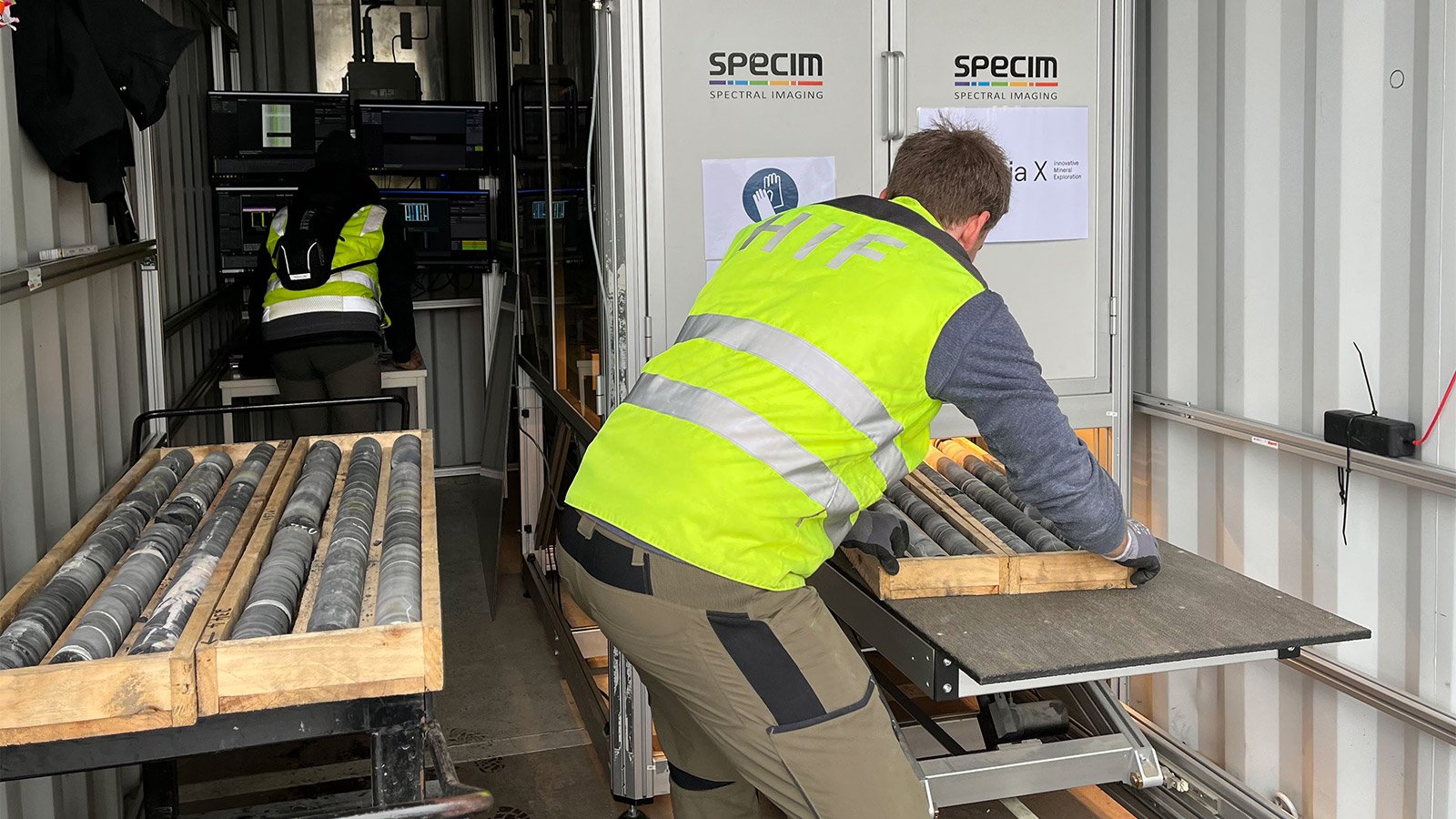
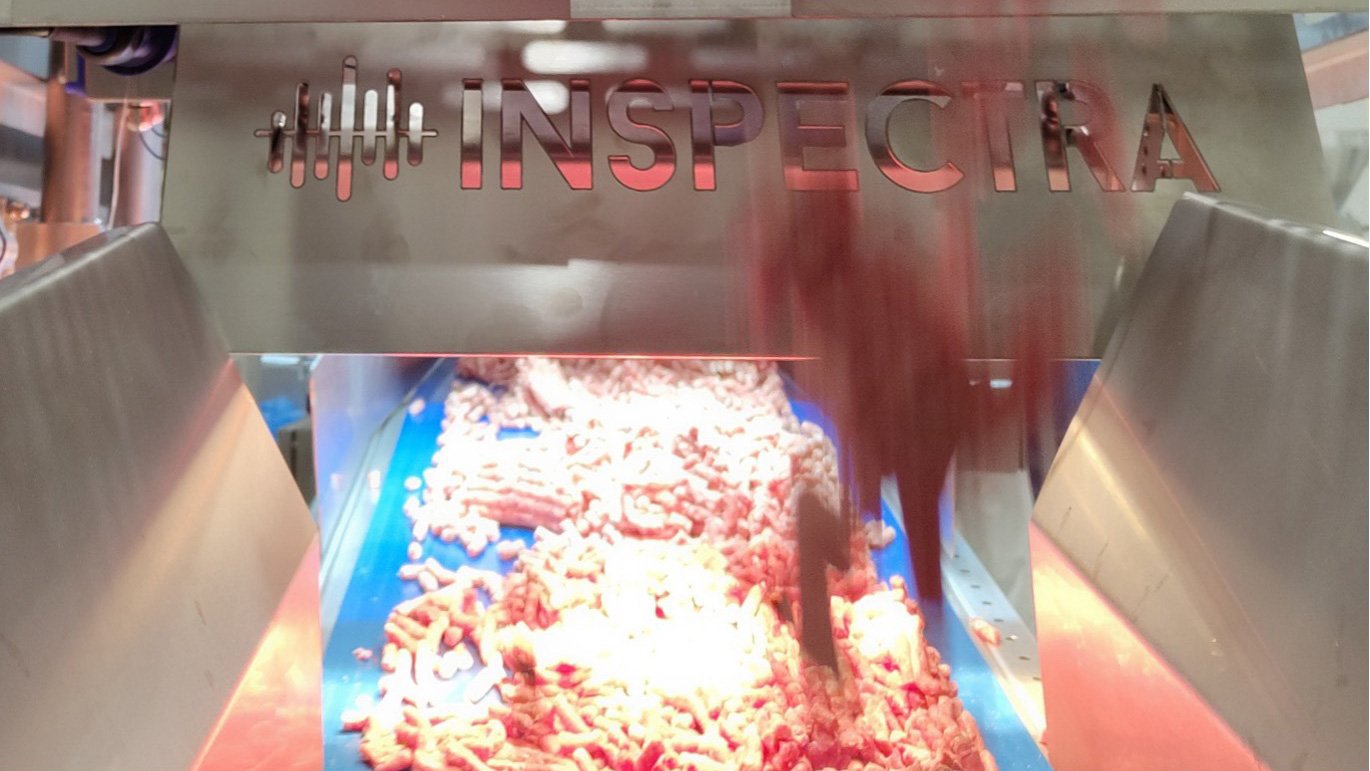
Building on the success in plastic recycling, UCY now sees significant opportunities for expanding their hyperspectral imaging-based solutions into new fields. The company plans to apply their expertise to areas like foodstuff quality control and other industrial inspection processes.
“We see great opportunity in scaling and applying the existing technology stack to other, non-plastic recycling applications,” Söllner explains.

Image 6: Maximilian Söllner, Group CEO UCY Ventures Group
Want to discover how hyperspectral imaging can transform your industrial processes? Contact Specim today to find the right solution for your application.