Textile waste presents a growing challenge for waste management and recycling industries. Garments often contain a combination of natural, regenerated, and synthetic fibers, making material identification and separation increasingly complex. Automated sorting technologies can help identify different textile materials and prepare them for further processing, including recycling.
Since January 1, 2025, EU Member States have been required to establish separate collection systems for textile waste. However, collecting textiles is only one part of the process. Identifying and separating different fiber compositions, particularly blended materials, remains a significant challenge. Automated textile sorting technologies can help address this challenge by providing material information needed for further processing.
PICVISA is on a mission to automate textile sorting
PICVISA, a Spanish company specializing in optical sorting, robotics, AI, and deep learning solutions, had a growing number of clients with a significant interest in advanced textile separation solutions, which led to their decision to invest in textile sorting.
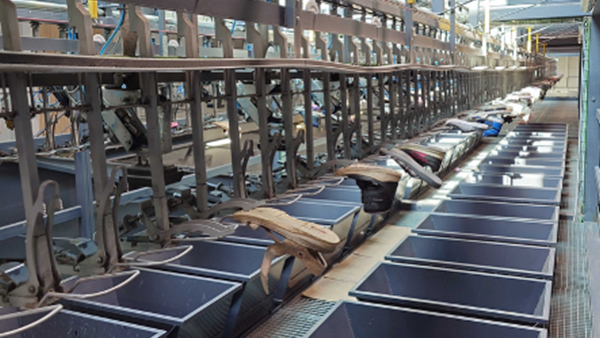
In pursuit of innovative textile sorting technology, PICVISA successfully developed a fully automated machine that can classify and automatically separate several types of textile waste by composition (cotton, polyester, viscose, and other fibers), color, and shape. Thanks to the technological solution implemented by PICVISA, Coleo Recycling in A Coruña, Galicia, classifies and traces some 5,000 tons of textile waste annually.
Hyperspectral Imaging Enables Accurate Textile Identification and Sorting
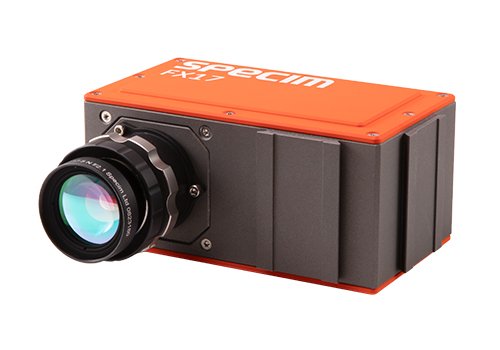
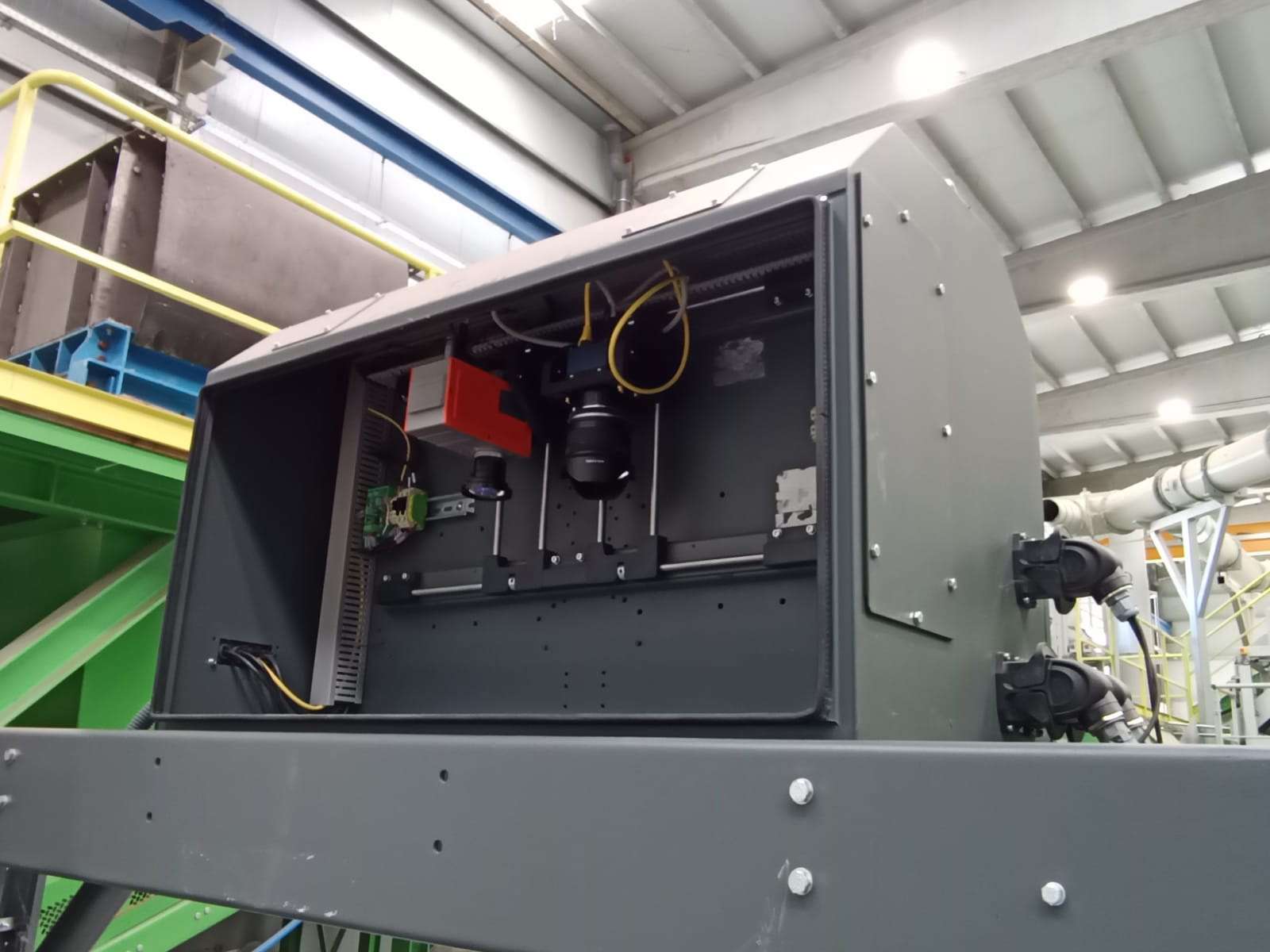
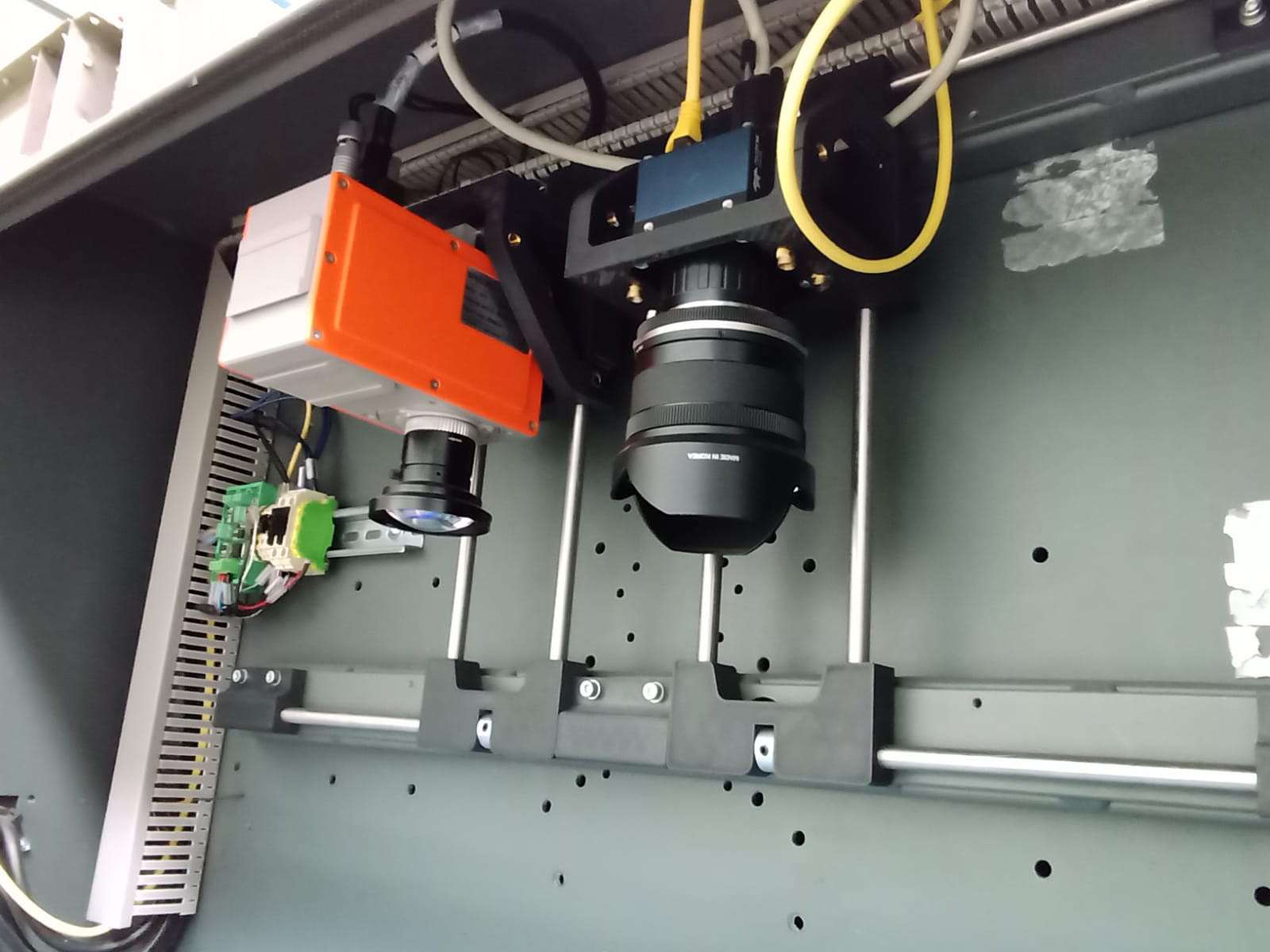
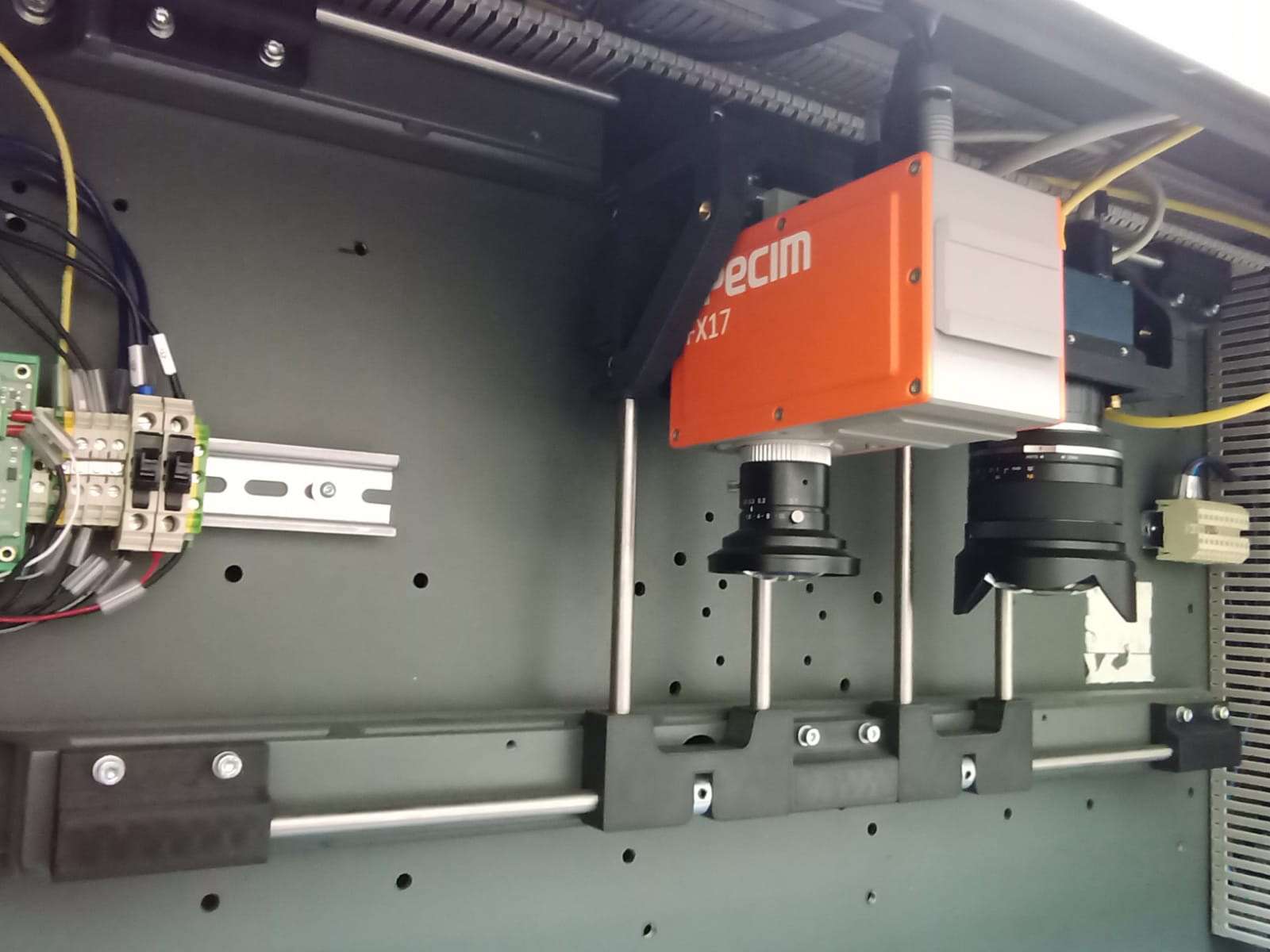
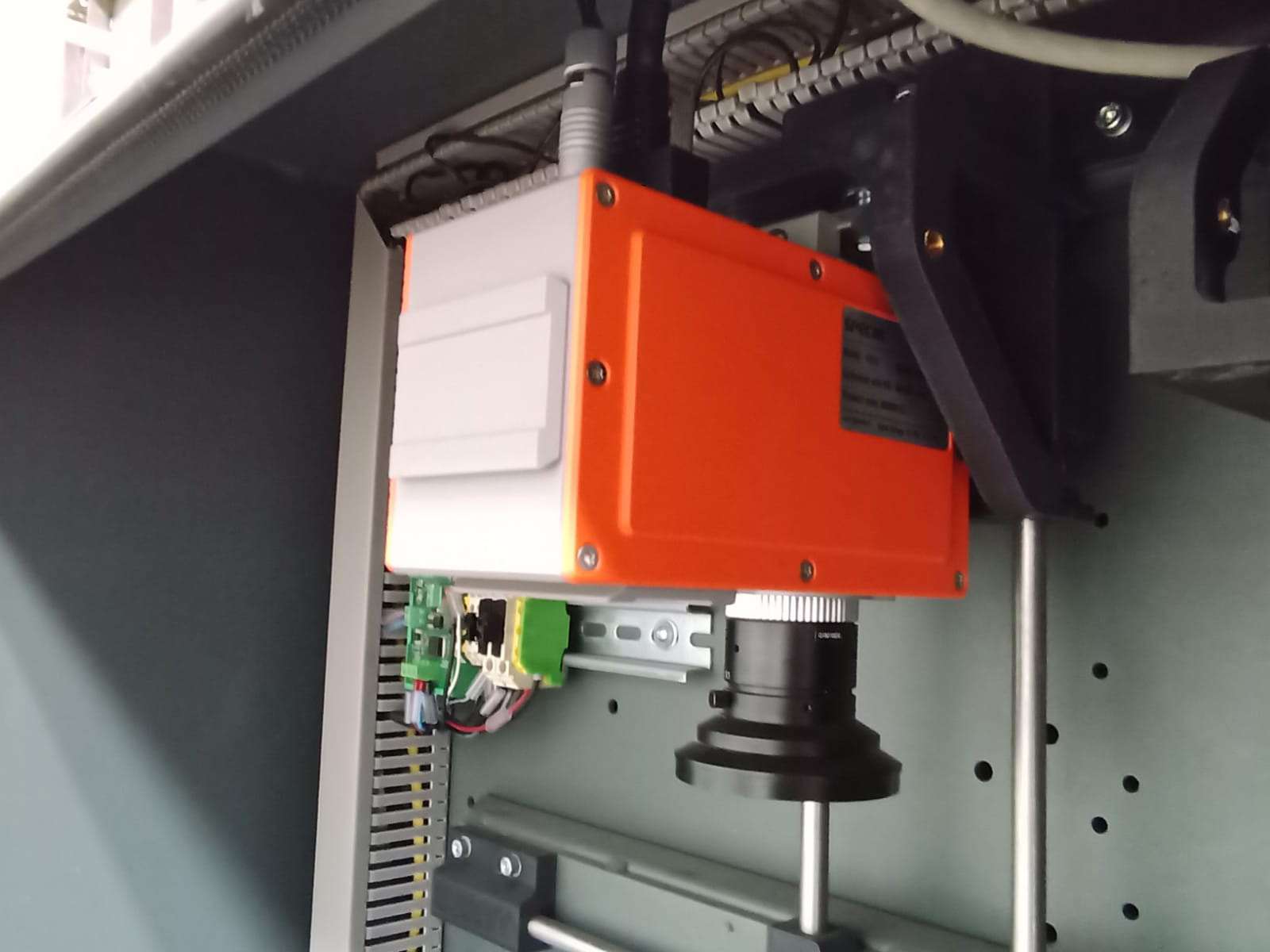
The key component of PICVISA’s fully automated textile sorting machine is the Specim FX17 hyperspectral camera. The Specim FX17 operates in a line-scan mode, collecting hyperspectral data in the near-infrared (NIR) region spanning from 900 to 1700 nm. NIR hyperspectral imaging allows the identification of the composition of textile products since different textile fibers (natural, artificial, and synthetic) have unique spectral characteristics that can be used for classification.
Using the Specim FX17 hyperspectral camera, PICVISA captures spectral information from textile materials to support their identification and classification.
Daniel Carrero, Technical Director of PICVISA, explains the impact of the Specim FX17 camera: “This technology is a game-changer. It enables us to identify materials and compositions of garments for pre-selection before recycling, providing a complete analysis with excellent spectral resolution.”
Sensor-fusion for Enhanced Sorting Accuracy
In addition to the Specim FX17 camera, PICVISA integrates complementary sensing technologies into its textile sorting machine to support accurate material classification. These technologies include RGB imaging for color classification and inductive sensors for detecting metal components in garments.
Artificial intelligence (AI) also plays an important role in PICVISA’s sorting process. AI-based algorithms help classify textile items that may have similar colors and fiber compositions but differ in appearance or shape, complementing the spectral information provided by hyperspectral imaging.
Responding to Customers’ Needs Is the Path to Success
PICVISA’s diligent efforts have resulted in an extensive classification library comprising over 20 compositions. However, customer demand for an even wider range of classifications remains steadfastly increasing. Notably, tackling the identification of elastane has proven challenging for PICVISA, as its recognition is contingent upon particular compositions and proportions. To overcome the obstacle and further develop their solution, PICVISA is actively exploring regression-based classification besides class-based as a potential solution.
Growing Demand for Automated Textile Sorting
PICVISA sees growing opportunities in automated textile sorting as the industry develops new approaches to collecting, identifying, and processing textile waste. Technologies that can identify different fiber compositions and support automated material separation can play an important role in these processes.
Lluís Seguí, Managing Director of PICVISA, states, “For PICVISA, the textile sorting market represents one of the fastest-growing sectors of the future. The development of chemical recycling for mixed-fiber garments and finding a solution for already-sorted pure garments will be crucial.”
Specim is a partner with exceptional products and service
PICVISA already had experience working with Specim, as the company has previously implemented Specim’s hyperspectral cameras in their automated sorting machines for other segments, such as plastic recycling.
PICVISA’s collaboration with Specim has been highly satisfactory, setting the benchmark for successful partnerships. Regarding their decision to work with Specim, Daniel Carrero emphasizes, “We chose Specim for their exceptional product and service. It’s a safe bet, as they offer an industrial-grade solution with fantastic capabilities.”