HYPERSPECTRAL IMAGING IN AGRICULTURE AND VEGETATION

Hyperspectral imaging has proven to be a valuable technology in agriculture, particularly in the domains of vegetation analysis and precision farming. It provides a deep understanding of crop health and environmental factors enabling more efficient and sustainable agricultural practices.
Hyperspectral imaging offers a range of benefits to agriculture:
- Increased yields
- Reduced resource usage
- Early detection of plant diseases
- Increased nutrient and water efficiency
- More accurate yield prediction
- Reduced use of chemicals
- Reduced weed related losses
- Lowered manual inspection costs
- Better yield quality and higher profits
- Minimized environmental impact
Crop Health Assessment
Hyperspectral imaging is used to monitor the health and condition of crops. By analyzing the reflectance spectra of plants across different wavelengths, farmers and researchers can detect subtle changes in vegetation that might indicate stress, disease, nutrient deficiencies, or water scarcity. This information allows for early intervention and targeted treatments, reducing crop losses and improving yield.
Disease Detection
Different diseases often manifest as specific changes in the spectral signatures of plants. Hyperspectral imaging can identify these spectral shifts, enabling early detection of diseases that might not be apparent to the naked eye facilitating prompt preventing actions.
Precision Agriculture
Hyperspectral imaging is a key component of precision agriculture, which involves applying the right resources (water, fertilizers, pesticides) to the right areas at the right time. By gathering detailed spectral information, farmers can make precise decisions about planting, irrigation, and harvesting schedules. This increases efficiency, reduces resource waste, and maximizes yield.
Nutrient Management
Hyperspectral imaging can be used to assess nutrient levels in crops by analyzing the reflection patterns of plants under different spectral bands. This enables farmers to make informed decisions about fertilizer application and ensure optimal nutrient levels, reducing waste and environmental impact.
Plant Phenotyping
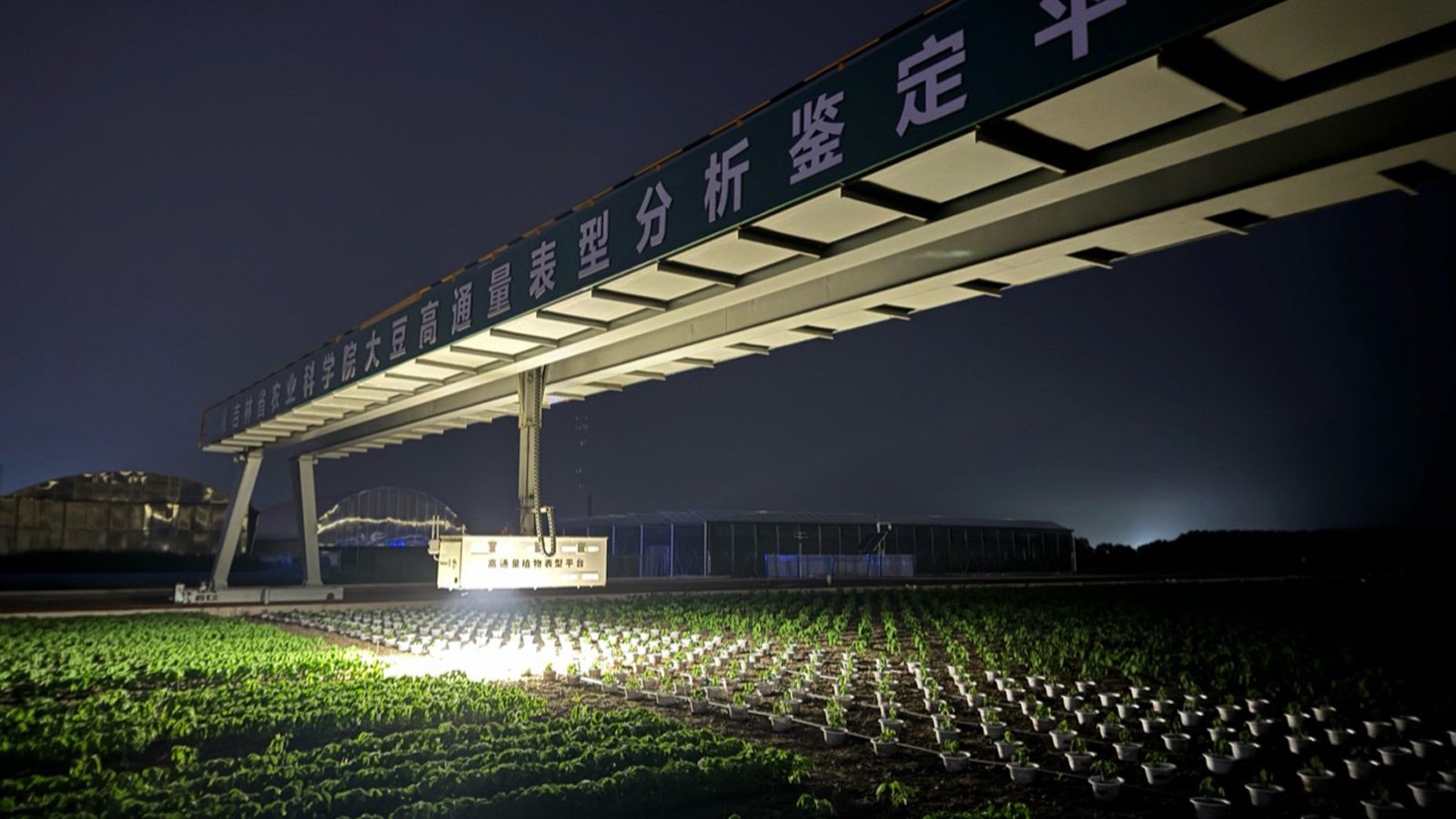
Hyperspectral imaging aids in plant phenotyping, which involves the comprehensive analysis of plant traits. Researchers can use this technology to study plant growth patterns, leaf area, and other characteristics that influence crop productivity. This information helps in breeding programs to develop improved crop varieties.
Environmental Monitoring
Hyperspectral imaging contributes to understanding the impact of environmental factors on crop health. It helps assess the effects of pollution, climate change, and other stressors on vegetation and ecosystems.
Weed Detection
Hyperspectral imaging helps differentiate between crops and weeds based on their spectral characteristics. This information guides the implementation of targeted weed control strategies, minimizing the use of herbicides and optimizing resource allocation.