HYPERSPECTRAL IMAGING FOR SURFACE AND COATING INSPECTION

Coatings are essential for product quality, functionality, and durability across industries. The surface of a product can reveal important details about its structural integrity, performance, and appearance. Defects, impurities, or inconsistencies in coatings and surface layers can reduce product reliability and performance or cause safety hazards.
Hyperspectral imaging provides a highly precise, non-destructive, contact-free, real-time surface and coating inspection method. Unlike conventional point-based measurement techniques, hyperspectral imaging enables entire sample coverage, ensuring every part of the surface is thoroughly analyzed for defects, consistency, and uniformity.
Layer Thickness Measurement
Detailed analysis of layers for consistency
Surface Defect Detection
Identify impurities or inconsistencies that may not be visible to the naked eye
Homogeneity and Uniformity Analysis
Ensure consistent coating application across the entire surface
Benefits of Hyperspectral Imaging:
Contact-Free and Non-Destructive
Inspect surfaces and coatings without causing damage
Real-Time Analysis
Get immediate insights, making it ideal for inline production environments
Comprehensive Surface Coverage
Analyze the entire surface area instead of relying on sample points
Unmatched Precision
Measure properties like layer thickness, surface uniformity, and material composition with high accuracy
Application Examples:
Web Inspection: Thin Film Thickness Measurement
Thickness is a critical quality parameter in thin films, directly impacting their functionality and performance. Traditional inspection methods rely on point spectroscopy, which produces an incomplete zigzag inspection pattern. Hyperspectral imaging addresses this limitation by inspecting the entire film or coating, capturing each line, and generating spectroscopic data for the whole film at a high spatial resolution.
100% Inspection of:
- Coatings
- Film thickness
- Color
- Residual moisture

Protective and Functional Coating Inspection
Evaluating the thickness and uniformity of protective coatings on sensitive electronic components is essential for ensuring performance, durability, and aesthetics. Hyperspectral imaging enables precise inspection, detecting variations that could impact reliability or functionality, ensuring consistent quality, and enhancing product performance.
Hyperspectral imaging can detect different types of coatings, identify inconsistencies, measure layer thickness, and ensure uniform application across surfaces:
- Functional coatings
- Protective coatings
- Barrier layers
- Anti-fingerprint coatings
- Vapor deposition coatings

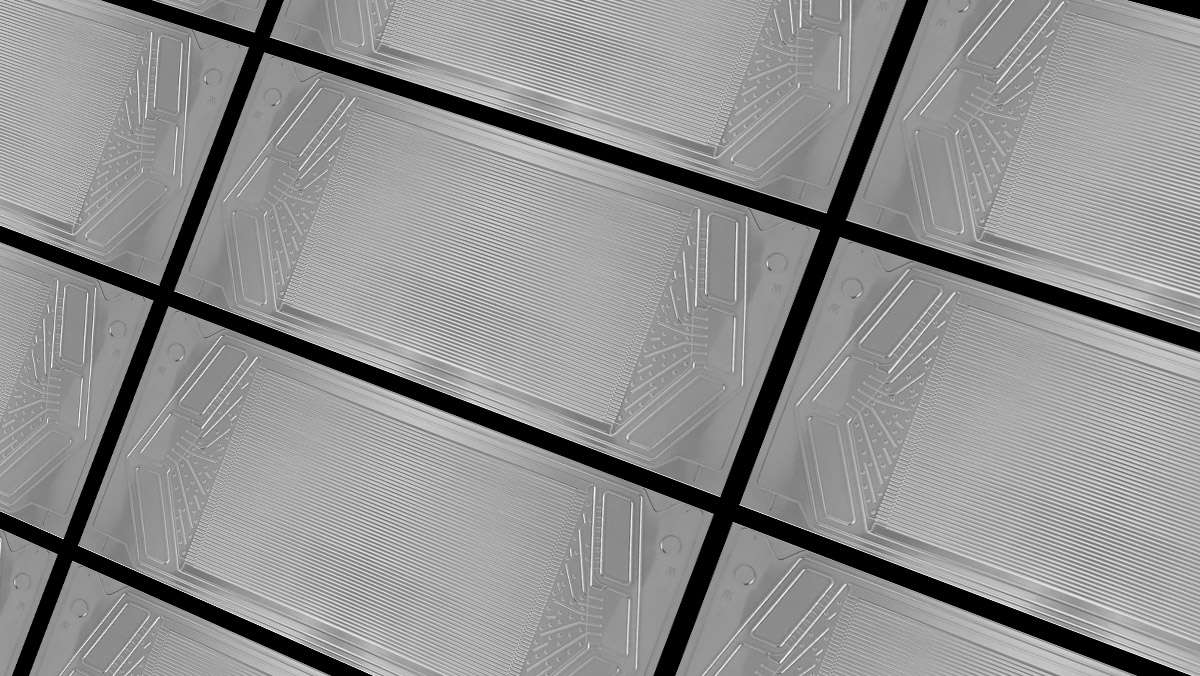
Coating Layer Thickness and Homogeneity of Metallic Bipolar Plates for Fuel Cells
A uniform carbon film coating on metallic bipolar plates enhances fuel cell efficiency. Hyperspectral imaging enables precise layer thickness measurement and real-time quality control, helping manufacturers ensure uniform coating, reduce variability, and optimize fuel cell performance.
Carbon Film Inspection on Metallic Bipolar Plates:
- Layer thickness measurement (nm)
- Homogeneity of coatings
Color and Layer Thickness Measurement of Solar Cells
Hyperspectral imaging is an effective tool for inspecting solar cells, ensuring both high-quality aesthetics and material integrity. In photovoltaic (PV) facades, this technology allows for detailed color resolution inspection, which is crucial for achieving uniformity and precision in appearance—an important factor for architectural integration. Furthermore, hyperspectral imaging can measure layer thickness of perovskite solar cells, helping to verify the consistency of coatings and optimize their efficiency.
- High-color resolution inspection
- Aesthetic aspects
- Layer thickness measurement

Battery Electrode Coating Inspection
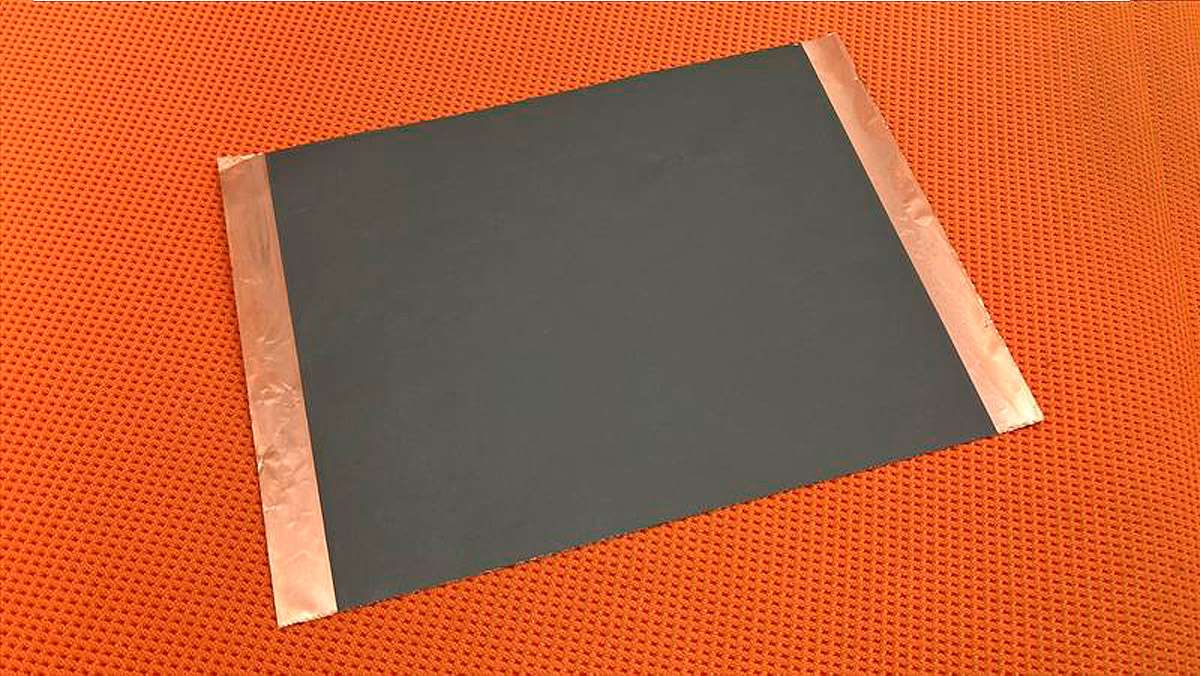
Battery components often undergo coating processes to enhance their durability. Maintaining homogeneity and uniformity in electrode coatings is critical to optimizing efficiency and longevity. Hyperspectral imaging aids in assessing the uniformity of coatings, ensuring they meet the required specifications.
Electrode inspection with Hyperspectral Imaging:
- Purity and composition of materials
- Identify and classify chemistries
- Detect chemical reactions or degradation
- Homogeneity of coatings
- Uniformity of batches
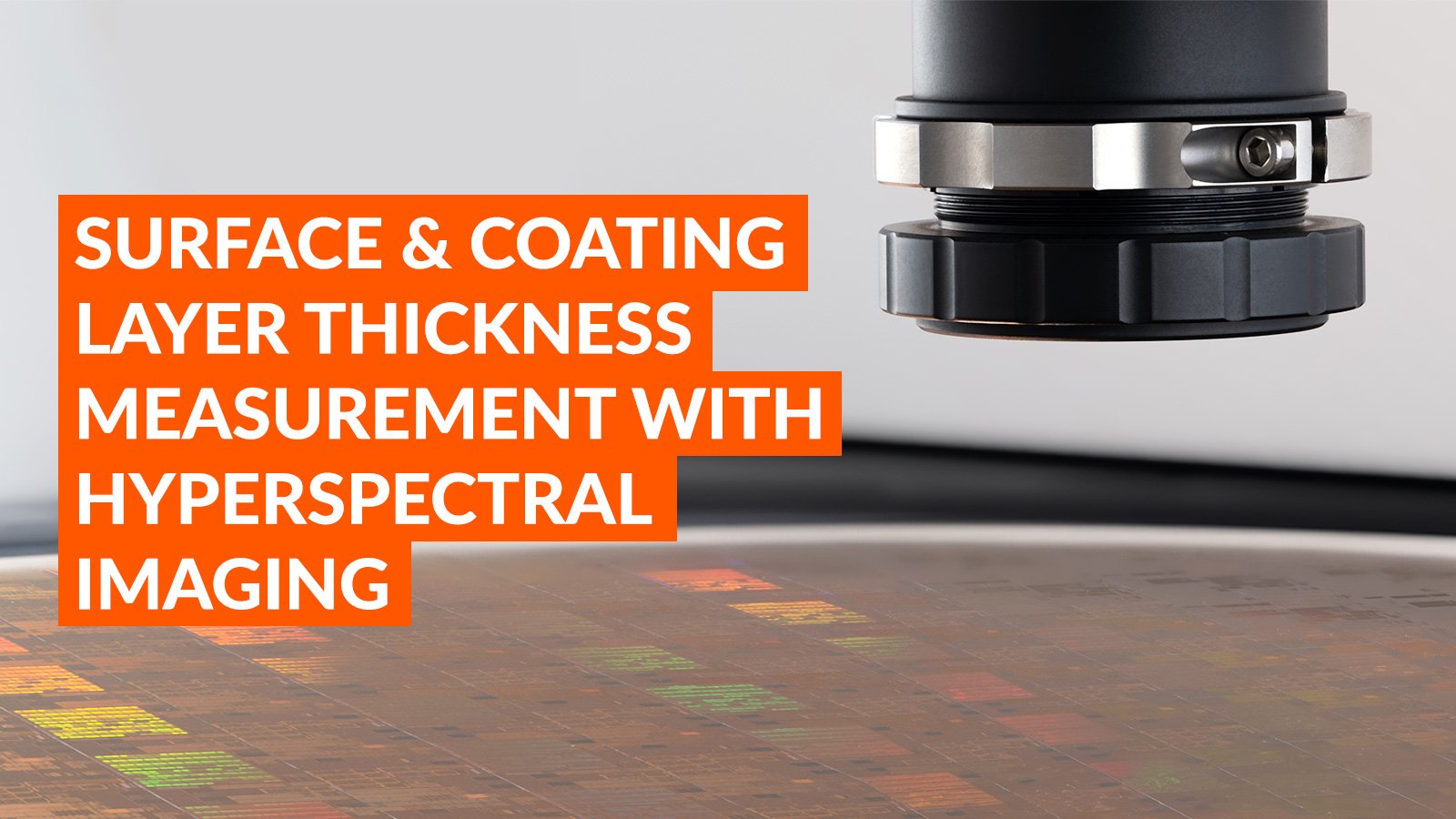
Wafer Inspection: Precise Surface and Layer Analysis
Hyperspectral imaging enables precise analysis of surface uniformity, layer thickness, and defect detection. In semiconductor manufacturing, even the slightest inconsistencies in wafer coatings or material composition can lead to failures in electronic components. Hyperspectral imaging allows the assessment of thin-film deposition, contamination, and microstructural variations without damaging the wafer.

Surface Inspection in the Metal Industry
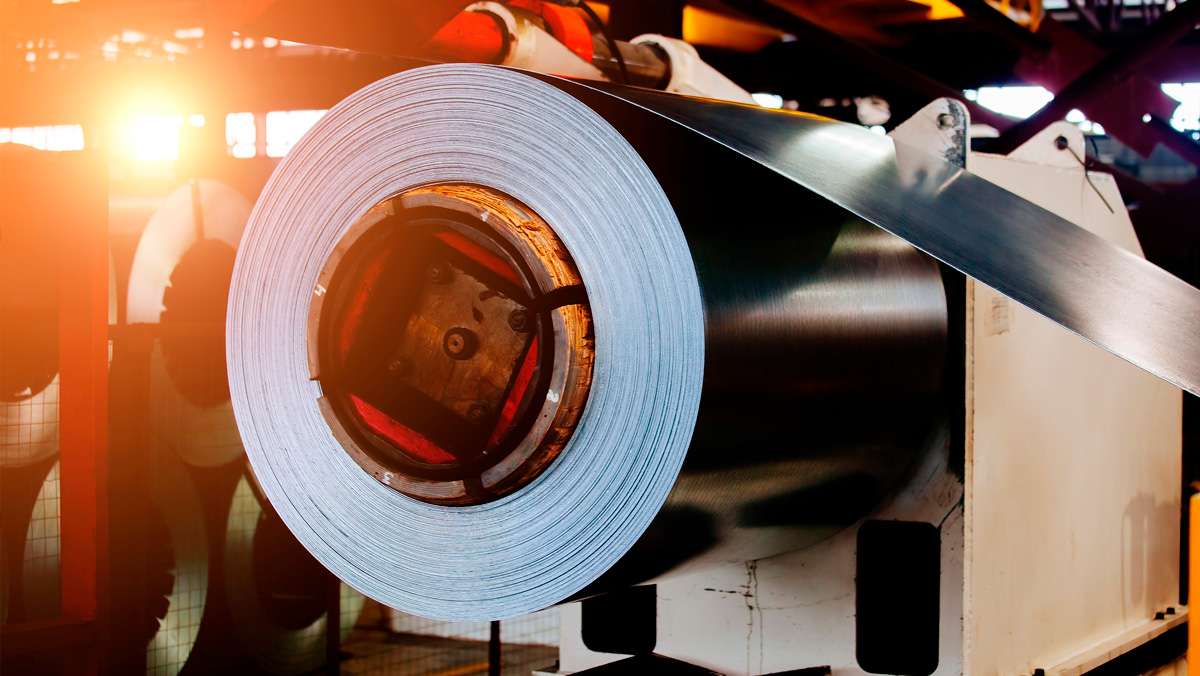
Detecting impurities, defects, and surface contaminants on hot steel is a critical challenge in metal manufacturing, such as in rolling mills. Hyperspectral imaging enables precise inspection of coatings—such as oil, water, wax, lacquer, and protective chemicals—ensuring material integrity and performance, including applications in press shops. By accurately measuring layer thickness from nanometers to micrometers, this technology helps identify contamination and inconsistencies, enhancing overall quality control.
100 % Inspection of:
- Impurities on hot steel
- Oil-, Water-, Wax-, Lacquer film on metal
- Layer thickness measurement
- Contamination detection
- Phosphate conversion coating
- PE (polyethylene) film coating for food packaging
Key Benefits of Adopting Hyperspectral Imaging in Manufacturing:
Improved Quality Control
Hyperspectral imaging delivers precise, real-time, full-coverage detection of contaminants and defects, ensuring high reliability and compliance.
Increased Efficiency
By automating inspections and detecting defects early, manufacturers can reduce errors, minimize waste, and improve overall efficiency.
Enhanced Consumer Trust
Consistently delivering high-quality products with advanced quality control fosters consumer confidence, brand reputation, and competitiveness.