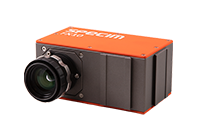
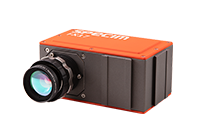
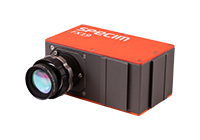
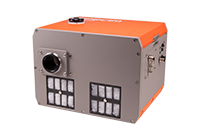
Specim FX50
MWIR (2.7-5.3 μm)
Specim FX50 is a high-speed, accurate, and robust line-scan hyperspectral camera designed especially for industrial environments. It is the only hyperspectral camera on the market covering the full mid-wave infrared (MWIR) spectral range of 2.7 – 5.3 μm required in black plastics sorting. Specim FX50 can also be used, for example, to analyze hydrocarbons and minerals and detect contamination on metal surfaces quickly and reliably. It is also ideal for scientific exploration.


MAIN FEATURES AND BENEFITS
FULL MWIR SPECTRAL RANGE
For detecting, e.g., black plastics, hydrocarbons, minerals, oil, and contamination on metal surfaces
HIGH FRAME RATE AND SIGNAL-TO-NOISE RATIO
For accurate classification and high imaging speed and throughput
OPTIMIZED THERMAL MANAGEMENT
To maximize sensor lifespan and minimize downtime
ROBUST AND COMPACT DESIGN
Simple to mount and durable for harsh industrial environments
EASY INTEGRATION
Standard GigE Vision interface to communicate with commercial analysis software
UNIFIED SPECTRAL CALIBRATION
Comparable and transferable data between different units
SPECIM FX50 CAMERAS ARE BEST SUITED FOR:


BREAKTHROUGH IN BLACK PLASTIC SORTING
Black plastics are everywhere; cars, vehicles, electronics, packaging, and plastic bags. Instead of recycling, they are burned for energy or dumped in a landfill since efficient and reliable technology has not been available to sort black plastics – until now. Hyperspectral imaging is the only technology capable of sorting different black plastic types when used on the MWIR spectral range.
Specim FX50 is the only hyperspectral camera on the market covering the full mid-wave infrared (MWIR) spectral range of 2.7 – 5.3 μm required for black plastics sorting.
Specim FX50 allows fast and reliable sorting of:
The fast frame rate of the Specim FX50 combined with its high spatial resolution allows 300 kg of 2×2 cm plastic flakes to be sorted per minute (a 1-meter wide conveyor belt running 2 m/s). This high throughput makes the Specim FX50 a competitive option for the recycling industry where cost is a major concern.
Download White Paper: