Short-Wave Infrared Hyperspectral Imaging: A Practical Guide to Understanding SWIR Technology
This article provides readers with an accessible introduction to Short-Wave Infrared (SWIR) Hyperspectral Imaging, provides some examples of its real-world applications, and the essential knowledge to grasp the benefits and potential of this innovative technology.
SWIR Hyperspectral Imaging is an advanced imaging technique that combines short-wave infrared light with high-resolution sensors to capture detailed information about the chemical composition of an object or scene. Making visible what is invisible to the human eye, SWIR hyperspectral imaging offers powerful implications across a wide range of applications.
What is hyperspectral imaging?
Before we dive more deeply into SWIR, let’s start with a definition of hyperspectral imaging.
Hyperspectral imaging is a technique that collects and processes information across the electromagnetic spectrum to obtain the spectrum for each pixel in an image. This enables the identification of objects and materials by analyzing their unique spectral signatures.
While a standard RGB camera captures images using three visible light bands (red, green, and blue), hyperspectral imaging allows us to examine how objects interact with many more spectral bands, typically ranging from 250 nm to 15,000 nm, ranging from ultraviolet (UV) to thermal infrared.
Hyperspectral imaging gives a combination of spatial and spectral information for each pixel captured. The spectral information allows us to retrieve information for the identification and classification of samples. From this information, we can conduct both qualitative analysis and quantitative analysis. The spatial information reveals the distribution and areal separation of materials, allowing for size and shape analysis, distribution mapping, and statistical evaluation.
What is SWIR hyperspectral imaging?
When we talk about the Short-Wave Infrared (SWIR) spectral range, we are talking specifically about the range between 1,000 to 2,500 nm. Below, you can see how the SWIR spectral region relates to the full electromagnetic spectrum.
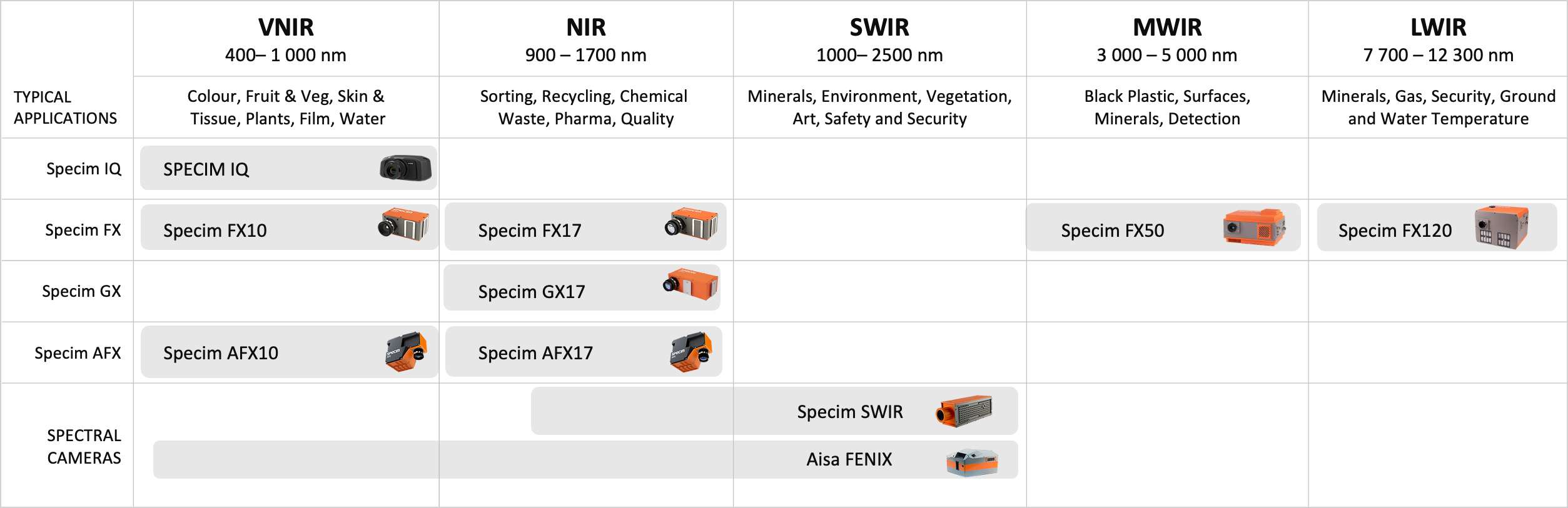
Figure 1: Specim offering for different spectral regions
The below table shows that different molecular bonds absorb light at different wavelengths. The SWIR spectral range allows us to see the chemical composition of the materials we are looking at beyond what is visible to the human eye. Many critical and valuable substances for research and industry—such as proteins, moisture, sugars, and more—can be detected in the SWIR spectral range.
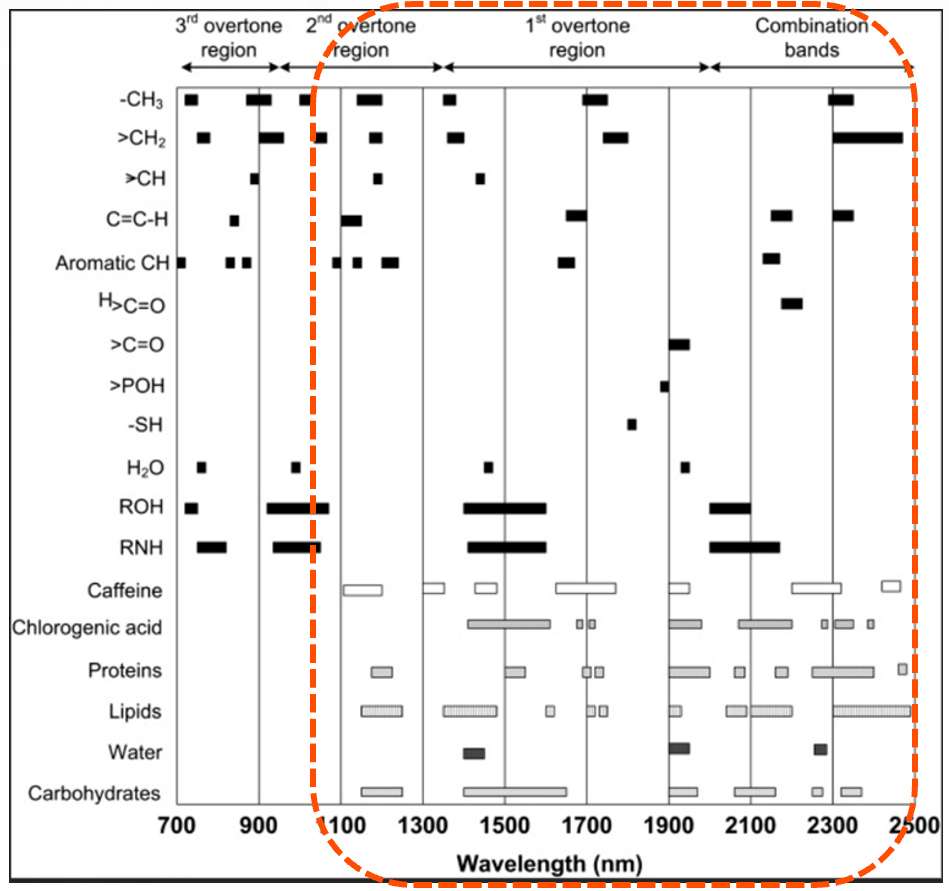
Figure 2: Overtones in the SWIR wavelength region
Applications that benefit from the SWIR spectral range
Applications that benefit from the SWIR spectral range are numerous, including geology, agriculture, environmental monitoring, waste sorting and recycling, food quality and safety, art inspection, and pharmaceutics—just to name a few. Next, we will explore a few examples of the applications of SWIR HSI technology in some of these contexts.
Geology
The chart below shows that different spectral regions—Visible and Near-Infrared (VNIR), Short-Wave Infrared (SWIR), Mid-Wave Infrared (MWIR), and Long-Wave Infrared (LWIR)—are suitable for detecting different types of minerals and ores. It shows that SWIR is a good spectral region for many of them. We could almost say SWIR is a mandatory spectral range camera to have for geological applications.

Figure 3: Mineral identification chart, courtesy of Dr. Phil Harris, TerraCore / GeoSpectral Imaging
In the following image, you can see an example of a core logging application, for which a high-resolution mapping of minerals was made. On the left hand side is Visible and Near Infrared (VNIR), on the right side Long-wave Infrared (LWIR), and the SWIR in the middle. The image shows that the different types of minerals can be accurately mapped with a high spatial resolution using SWIR.
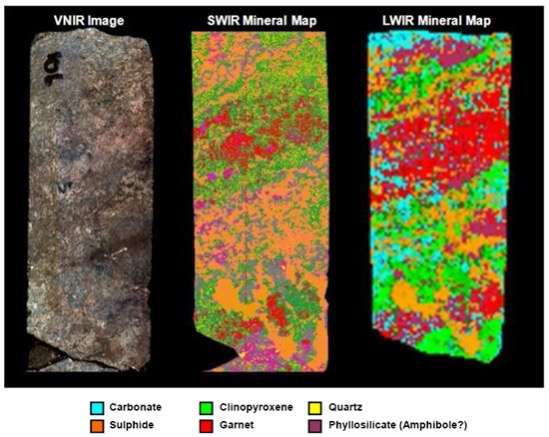
Figure 4: High-resolution mineral mapping
SWIR hyperspectral imaging is well-suited for airborne and remote sensing applications. The example below shows a mineral distribution map generated using Spectral Atlas. By leveraging a comprehensive spectral library—where each mineral has a unique spectral signature, much like a fingerprint—it is possible to accurately identify and map minerals from the air.
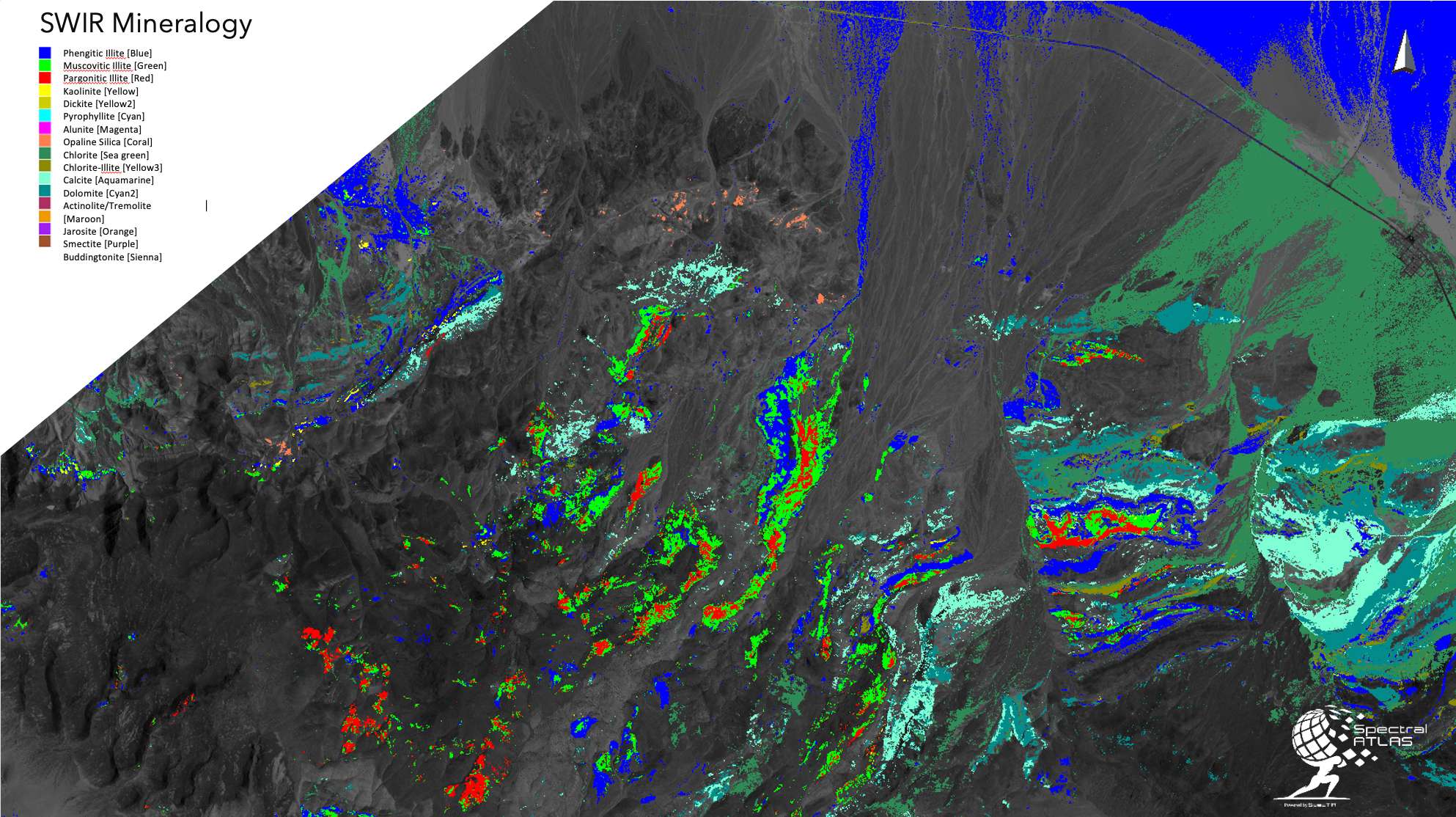
Figure 5: Map processed and obtained with the help of Spectral Atlas
SWIR enables us to not only identify different types of minerals, but also to investigate the crystallinity and chemistry of those minerals.
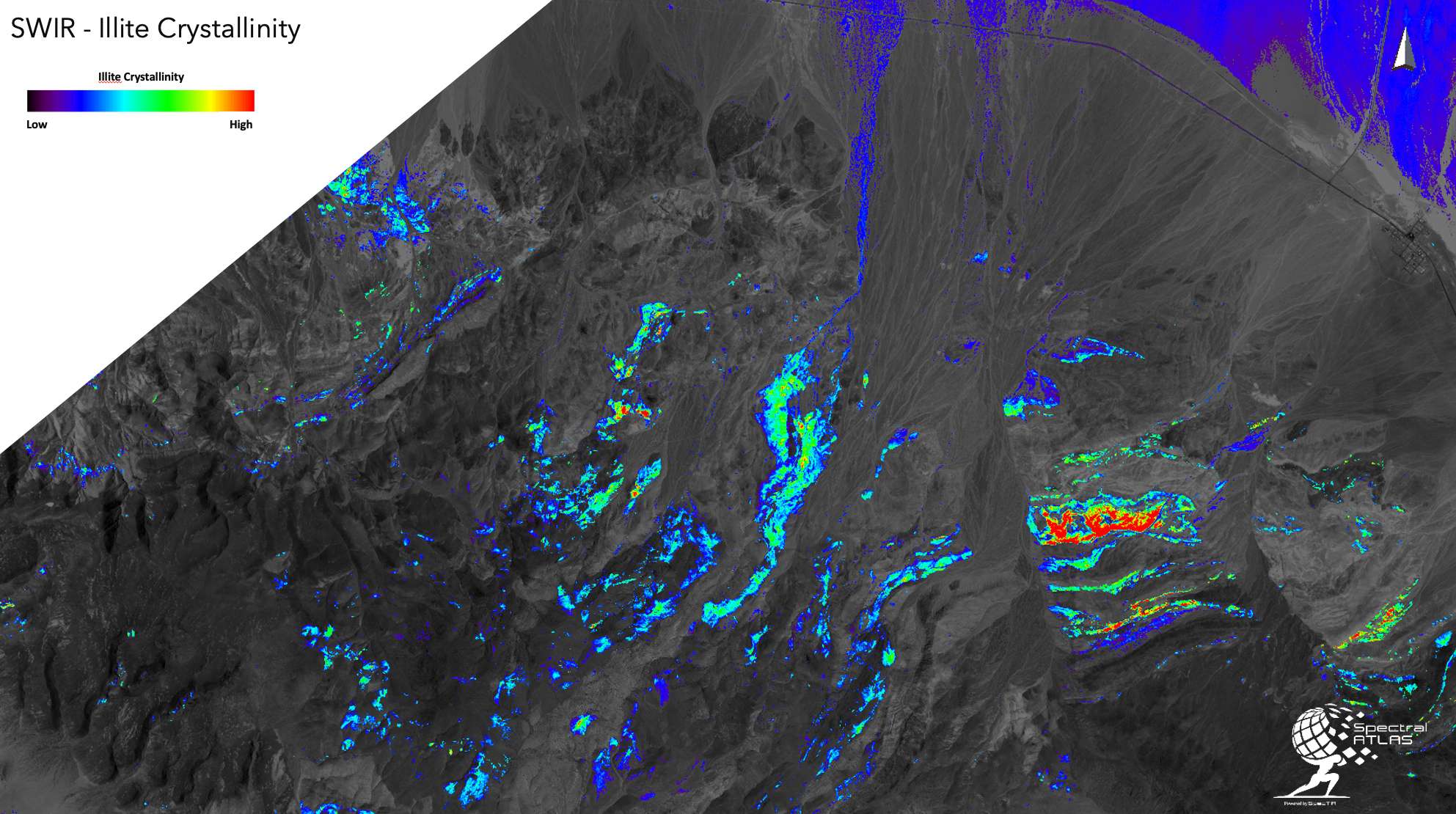
Figure 6: SWIR mapping of Illite crystallinity to better understand the metamorphosis phases of the mineral.
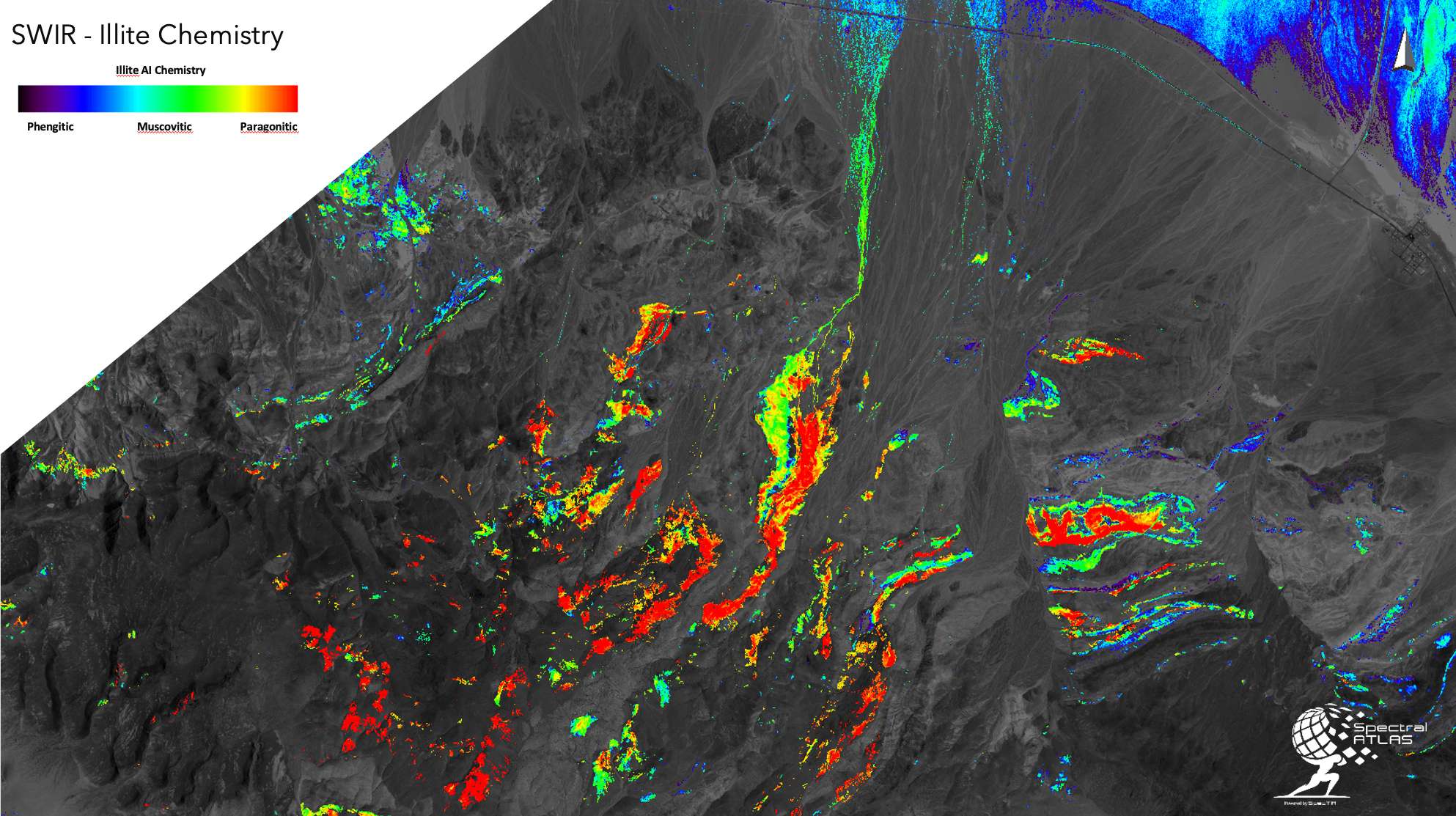
Figure 7: SWIR HSI image showing the fennitic, musconitic and paragonitic chemistry of Illite, demonstrating that the molecular structure can be identified with SWIR imaging.
Environmental monitoring
SWIR hyperspectral imaging has many important applications for environmental monitoring. is a powerful tool for mapping and monitoring various water environments, for example, the detection of microplastics and different types of sediments, as well as the monitoring of oil spills and their spread across affected areas. This technology allows researchers and environmental agencies to assess water quality, track pollution sources, and support more effective environmental management.
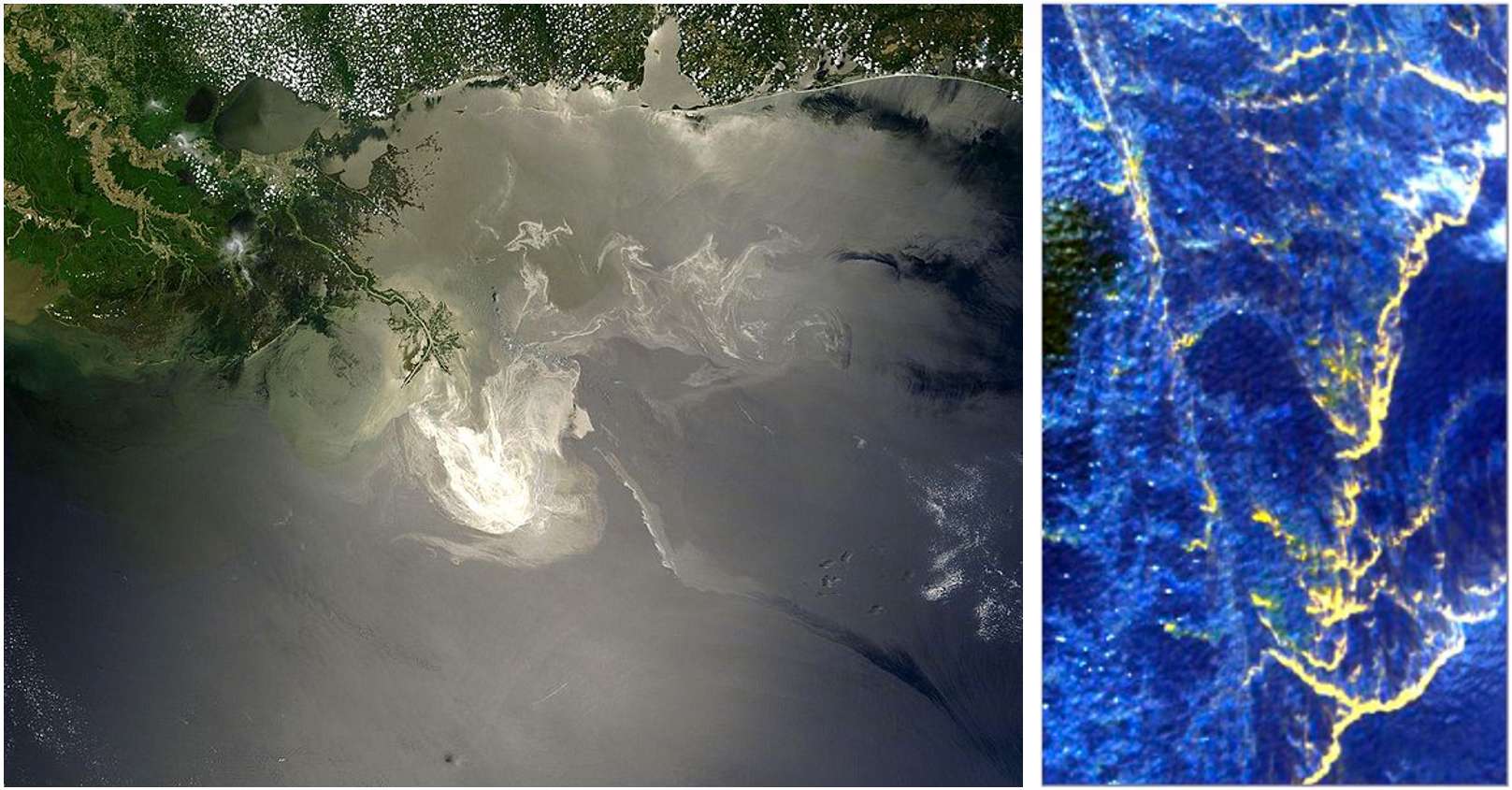
Figure 8: Specim’s AisaDUAL camera corresponds with the current AisaFENIX model. It covers the full spectral range between 400 and 2,500 nanometers. AisaDUAL was used to map the oil spill during the Deepwater Horizon spillage in the Gulf of Mexico. Image courtesy of SpecTIR
Art inspection
The SWIR spectral range is useful in art inspection. In this example, Specim’s SWIR camera was used to conduct material analysis on a tapestry. Because SWIR HSI allows us to investigate the chemical composition of what we are seeing, it was possible to map the type of fabric/thread used in different parts of the tapestry. It’s worth noting that SWIR HSI also enables the identification of different types of pigments in the material and the detection of underlying layers.
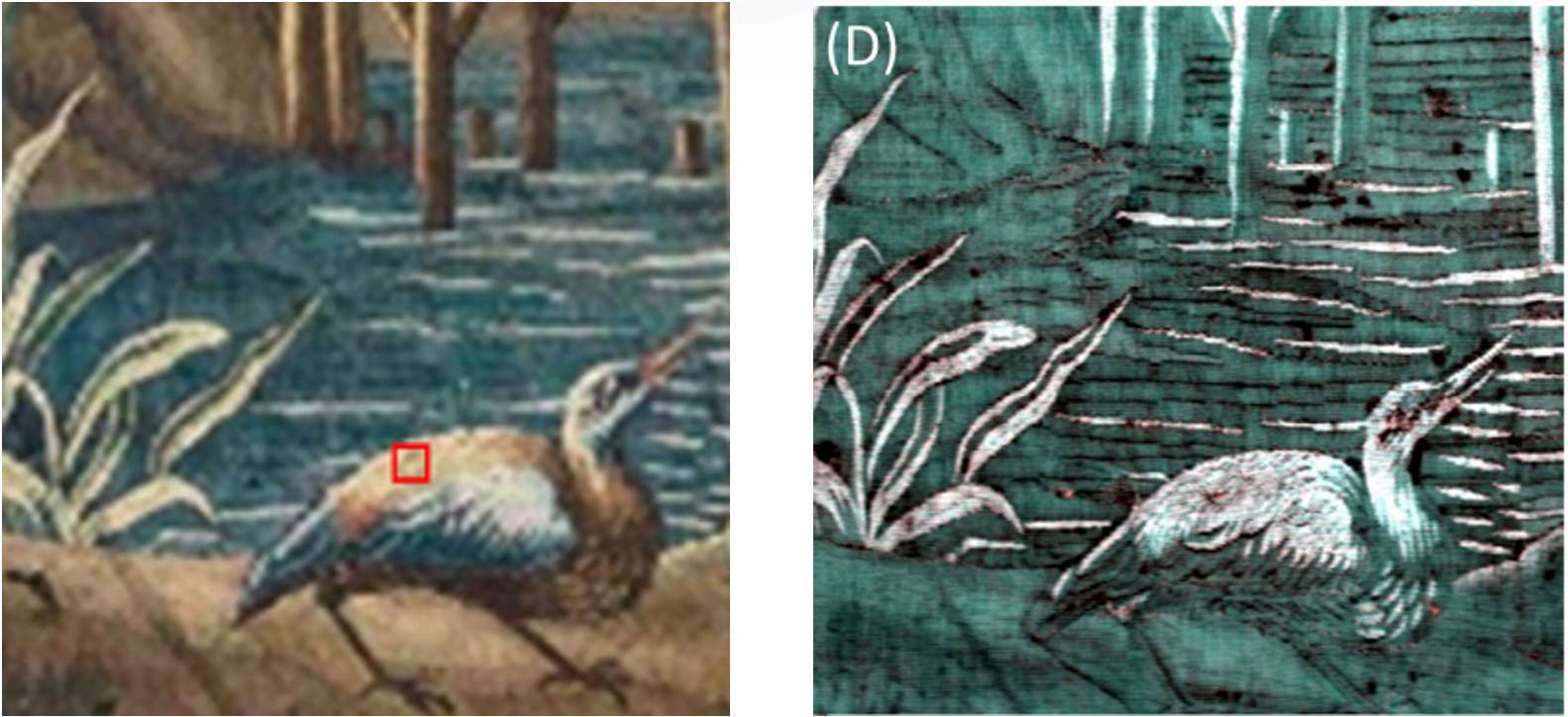
Figure 9: Specim SWIR camera used for material analysis on a tapestry. The image on the right shows the material composition – silk is white, the rest is wool.
Mapping asbestos in concrete
A university in Rome used Specim’s SWIR camera to investigate different properties of concrete and for example, the presence of asbestos. Here, you can see four different types of asbestos which could be mapped accurately with a SWIR spectral camera. Asbestos particles are very small. With Specim’s SWIR camera, it is possible to use the OLESMacro lens for a pixel size of 24 microns.
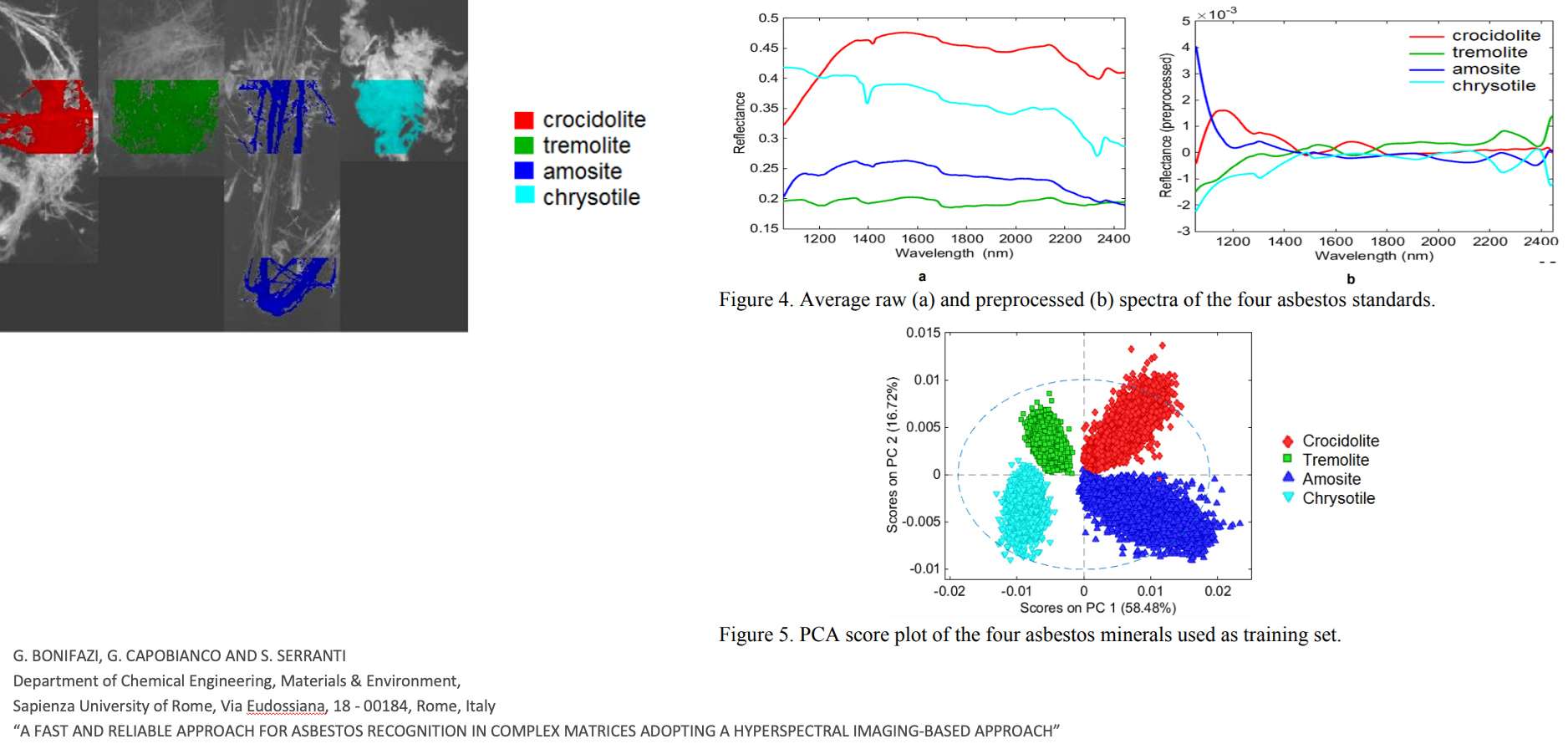
Figure 10: Asbestos detection with a SWIR camera
Surveillance and Security
The surveillance and security applications of SWIR HSI technology are many, including detecting camouflaged targets or disturbed soil (potentially related to an improvised explosive device), as well as from airborne applications.
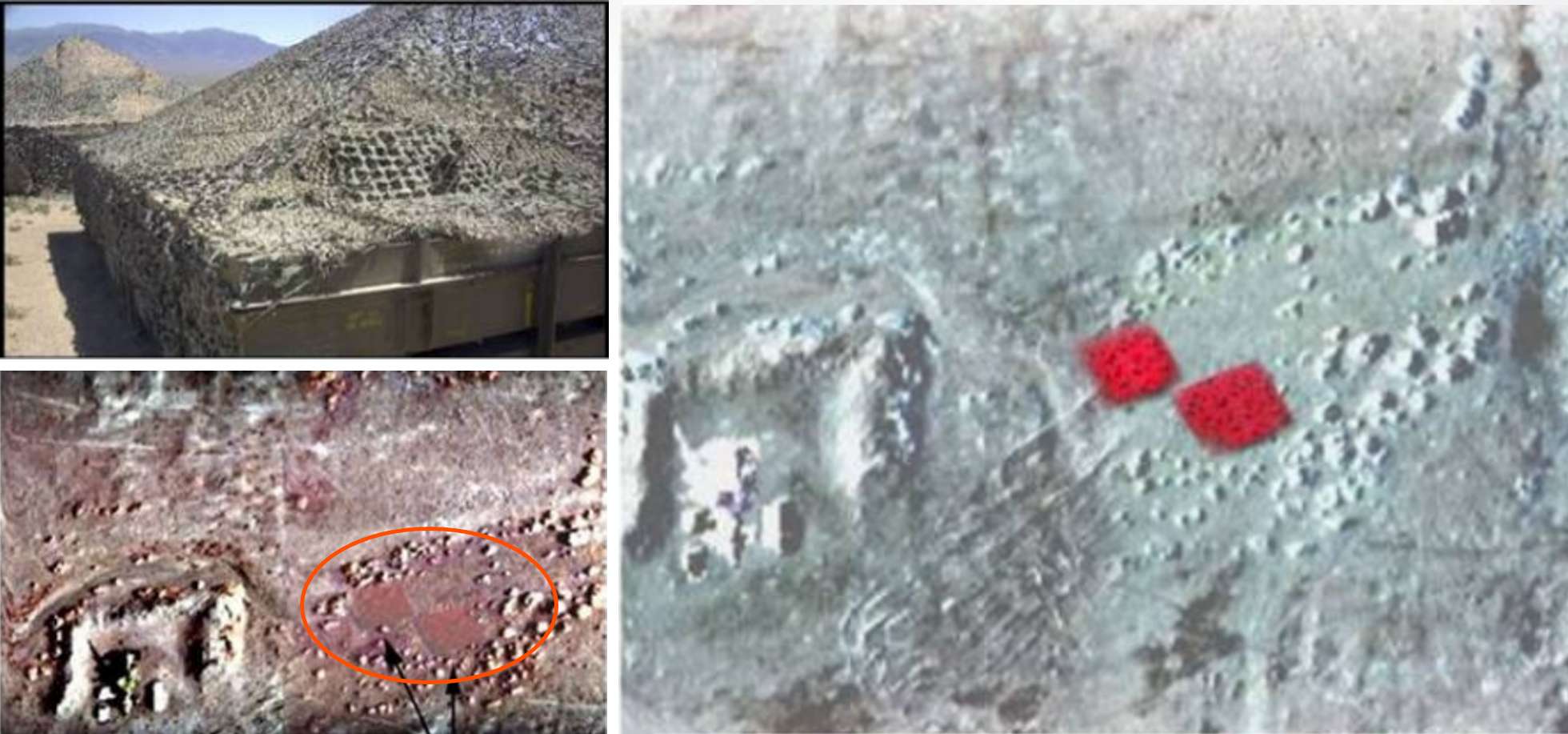
Figure 11: A SWIR HSI camera was used for the detection of camouflaged targets. Whilst the colour of the material blends into the surroundings, a SWIR camera detects the material only. Image courtesy of SPECTir
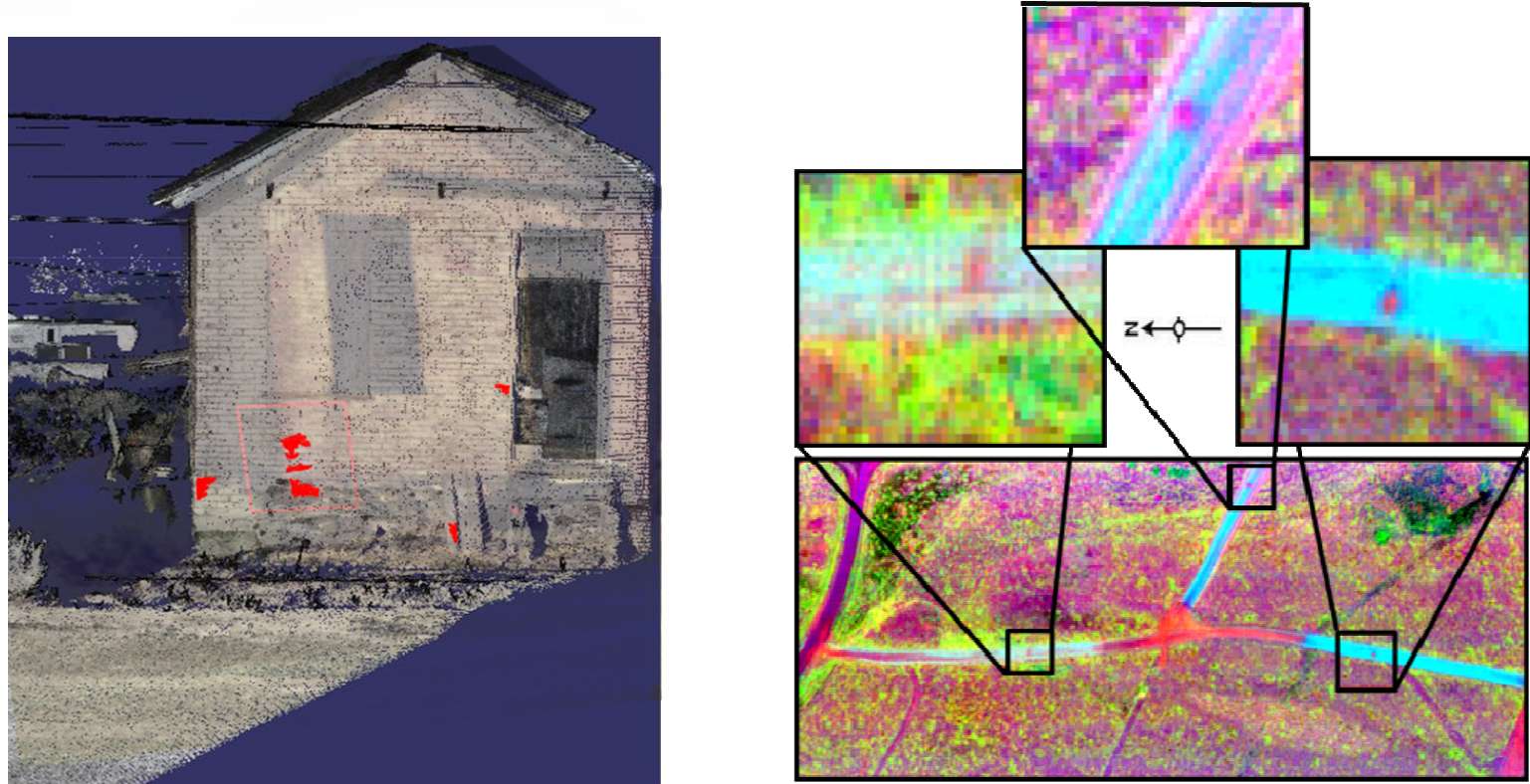
Figure 12: Specim’s SWIR camera was used to detect explosives planted onto a wall. In the right-hand image, the SWIR camera was used in an airborne application for anomaly detection / malign mine detection to identify places where the soil had been disturbed due to buried explosives. Image courtesy of SPECTir
Vegetation
The SWIR spectral range allows monitoring the health of vegetation. The SWIR HSI can be used, for example, to detect a lack of nutrients or the presence of pests in plants. For this application, the use of SWIR is often combined together with VNIR.
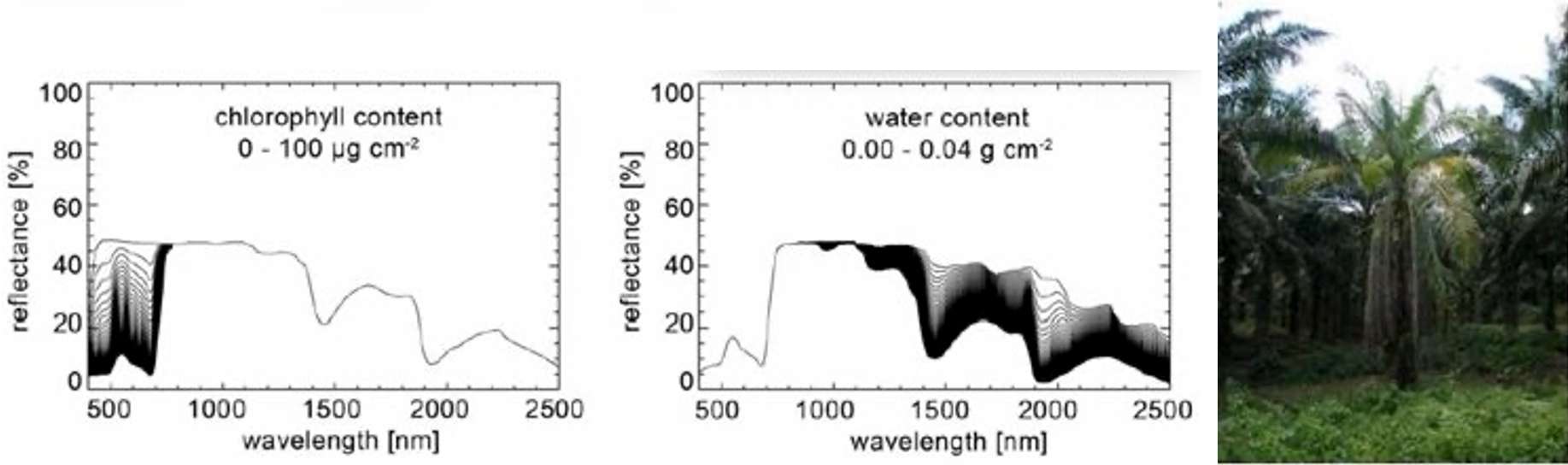
Figure 13: These images show a full spectrum between 400 and 2,500 nanometers which is affected by the level of the chlorophyll, especially around 500-600 nanometers, and by the water content of the plant, between 970-2,500 nanometers. Source: Rascher et al. (2010)
Food safety
In the food industry, SWIR cameras are used to detect different types of contaminants in food production, including fungies. In this example, a research center in Belgium specialized in cereals used the SWIR camera to detect fungus in cereals.
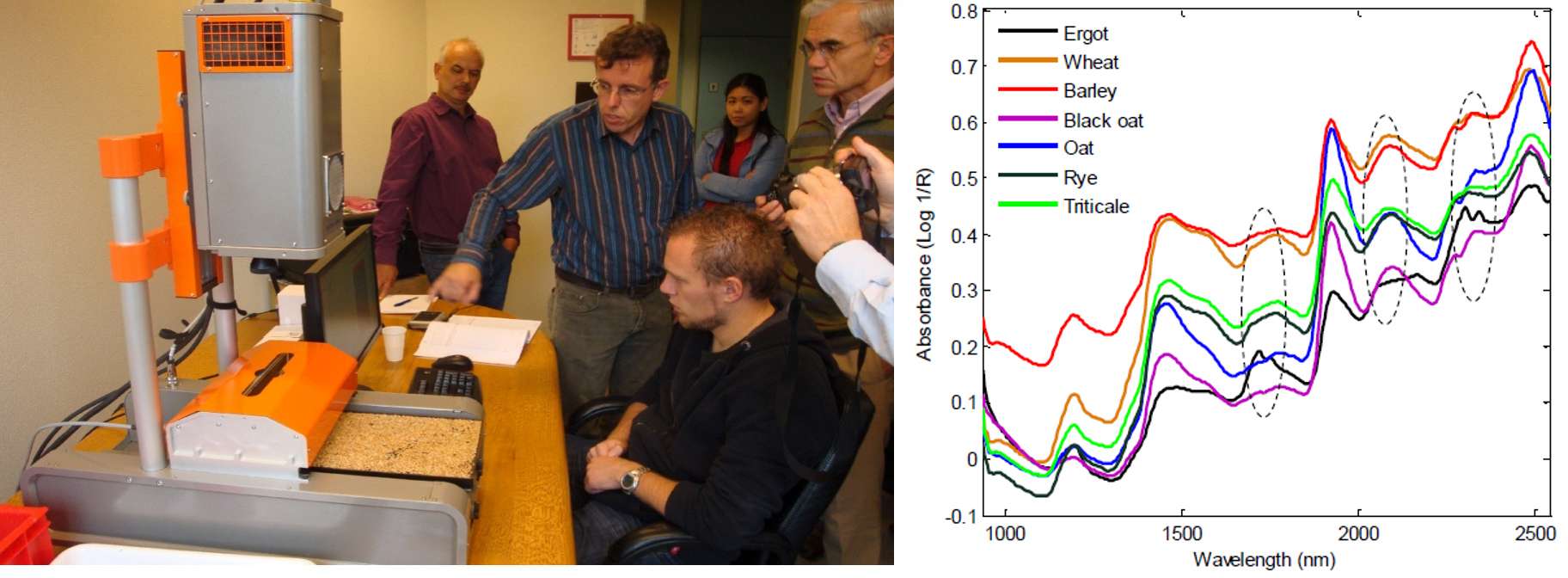
Figure 14: Contaminant detection in food using Specim SWIR. Ergot is a fungus with high toxicity, here, in black. The fungus has a spectral signature, which is different from his carrier, for example wheat, especially around 2,200 nanometers and 1,700 nanometers.
Detection of adhesives and glue
SWIR HSI can be used to optimize processes where gluing is involved. In the experiment below, Specim’s Lead Application Specialist Mathieu Marmion tested glue detection on cardboard and rubber. Three types of glue were put on the carriers and measured at t 0 and t +3 hours to assess the detectability of different adhesives and whether their drying level could also be monitored. With PCA using the SWIR camera, the location of the glue could be identified as well as whether it was wet or dry.
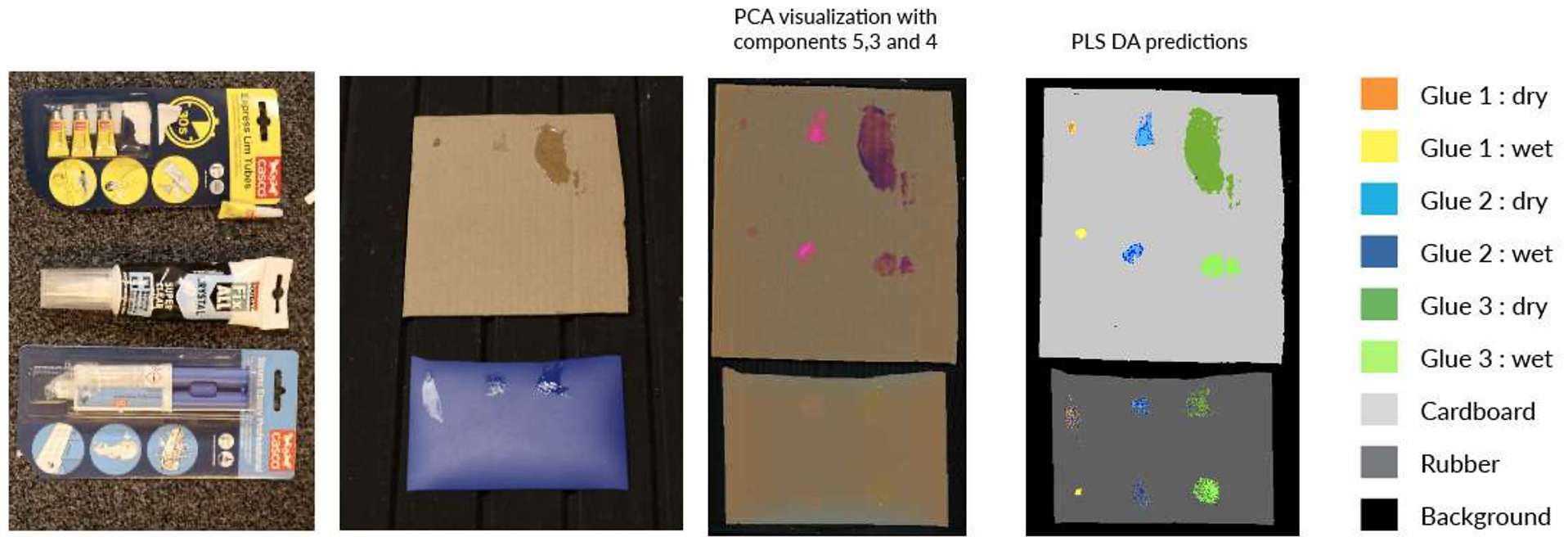
Figure 15: With Specim’s SWIR camera, it was possible to identify the glue and its stage and these could be mapped. On top it is dry, at the bottom it is wet, for both cardboard and rubber.
Food quality
The SWIR spectral range of 1,000 – 2,500 nanometers allows mapping, for example, lipid, sugar, and moisture – three components which are crucial for the food industry.
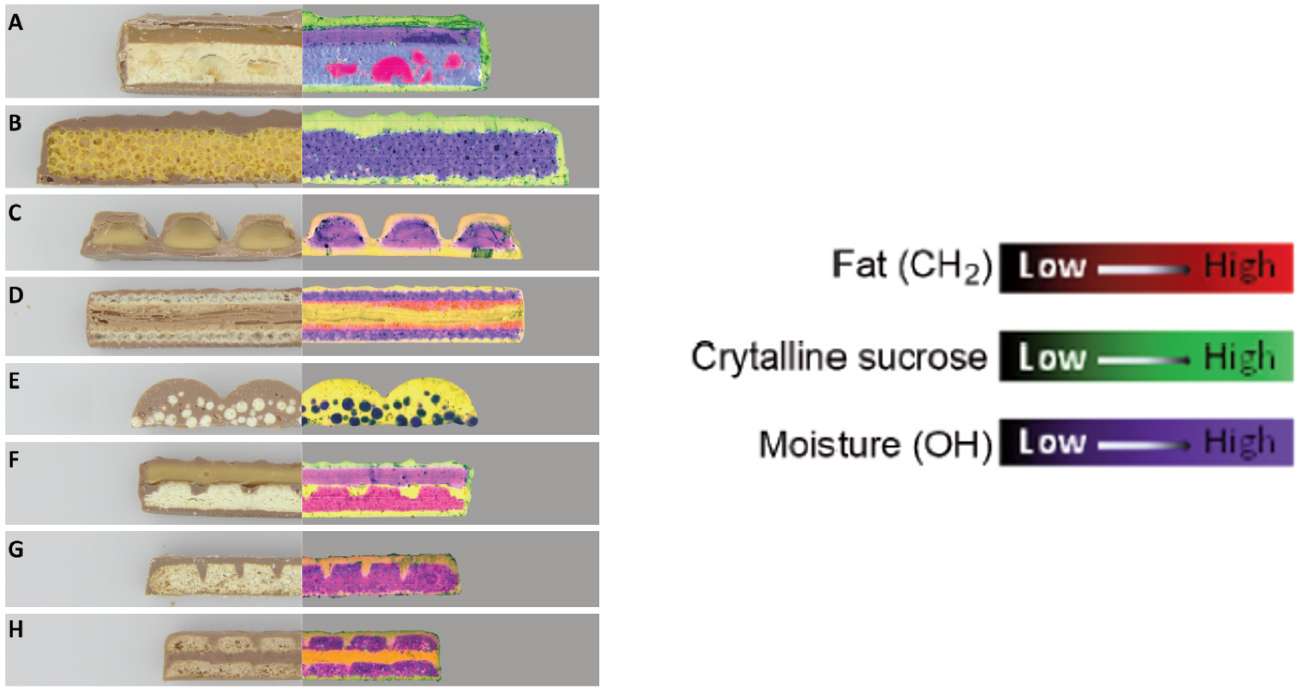
Figure 16: Food quality – chocolate bars. Image courtesy of Campden BRI
Plastic sorting / Microplastic inspection
The below image shows that with the SWIR camera, all plastics can be reliably sorted as long as they are not black. However, for cost reasons, the Specim FX17 NIR hyperspectral camera (900–1700 nm) is most commonly used to sort various types of non-black plastics.
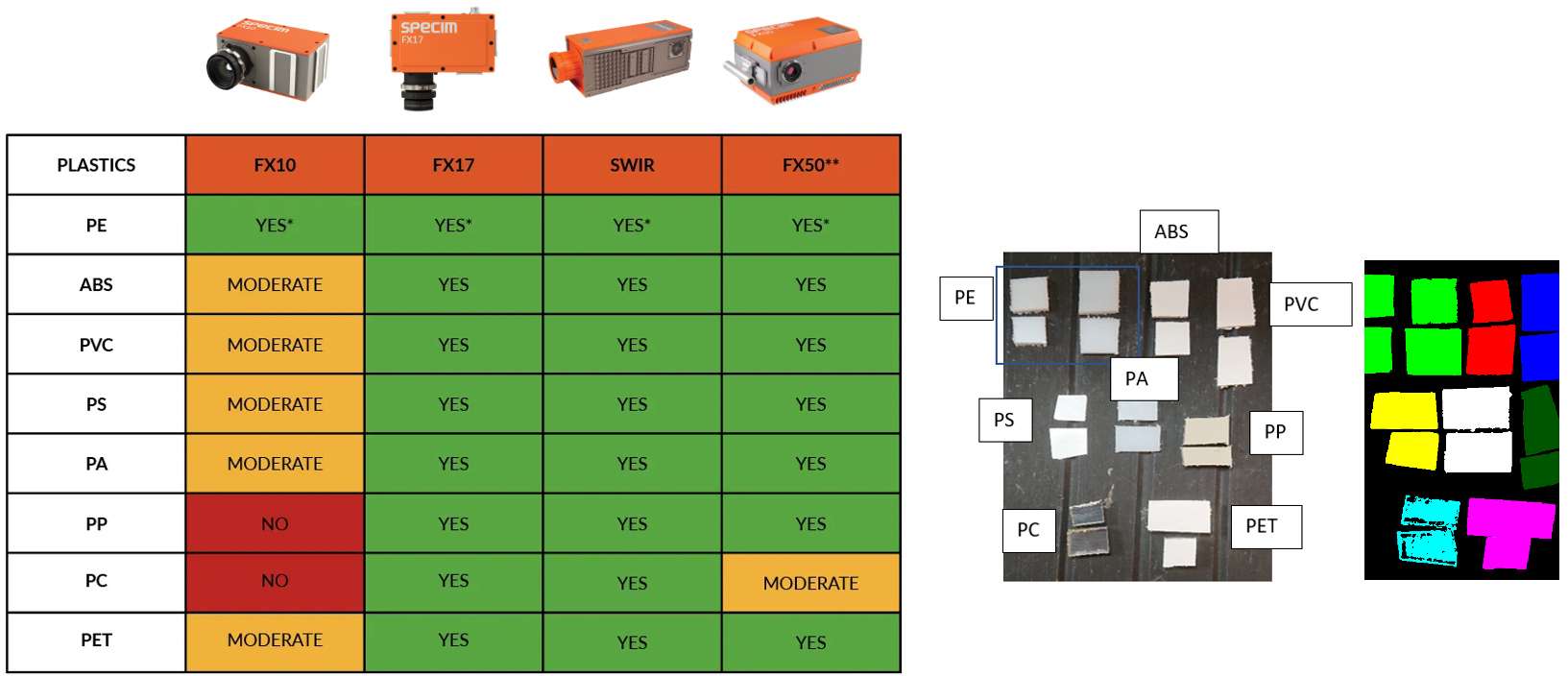
Figure 17: Plastic identification chart (VNIR – MWIR HSI)
Specim’s offering for the SWIR spectral range
Hyperspectral Cameras
Specim SX25 is a high-resolution short-wave infrared (SWIR) hyperspectral camera for the most demanding material analysis. Operating in the 960–2500 nm range, it delivers 640 spatial pixels, up to 392 selectable spectral bands, 8 nm spectral resolution, and a superior 1500:1 signal-to-noise ratio – capturing even the most closely spaced spectral features with exceptional precision and data quality.
Specim SWIR is a high-speed short-wave infrared hyperspectral camera that operates in the 1000–2500 nm range. It has 384 spatial pixels and achieves image rates of up to 400 frames per second using a CameraLink connection. Designed for both indoor and outdoor use in varying conditions, the Specim SWIR camera features temperature-stabilized optics that maintain consistent radiometric performance over time. This ensures the stability and sensitivity needed for demanding applications. The Specim SWIR camera meets the highest requirements in the lab, industry, and field.
AisaFENIX covers the full spectral range from 400 to 2,500 nanometers, meaning it encompasses both the SWIR and the VNIR spectral range with 384 spatial pixels for both channels with a single front optics. AisaFENIX delivers the highest quality hyperspectral data available in VNIR and SWIR wavelengths in a single continuous image. As the AisaFENIX hyperspectral sensor offers extreme ruggedness and a 75% reduction in size and weight compared to previous generation, it can also be fitted in turrets and medium-sized UAVs. AisaFENIX uses the unique “single optics dual spectrograph” design and fully co-registered VNIR / SWIR spectral ranges. The AisaFENIX has been developed especially for airborne application, but can also be used with SisuRock for geological application.
Accessories
LabScanner 40 x 20
This small scanner frame for laboratory use is suitable for samples up to 40 x 20 cm. It comes with a halogen included in a ready-to-use tabletop system.
LabScanner 100 x 50
This large scanner frame for laboratory use can fit samples as large as 100 x 50 cm. This scanner also comes with a halogen included.
RS50 Rotary Stage Scanner
Scan an image of a stationary target or scenery in the lab and field. Maximum payload 50 kg.
For HSI Core imaging
SisuROCK workstation
For geological applications, we have the SisuROCK in which up to six cameras can be inserted at a time. The SisuROCK workstation is compatible with Specim VNIR, SWIR, MWIR, and LWIR hyperspectral cameras, offering extensive imaging capabilities. It also features a high-resolution RGB camera and a 3D imager.
Software
SpecimINSIGHT
SpecimINSIGHT is our data processing software for exploring hyperspectral data and building classification or regression models to turn HSI data into practical applications.
Lumo family
The Lumo family is our software dedicated to hyperspectral data acquisition. It can be used with a camera only, but also with accessories like the scanner.
Illumination used with SWIR hyperspectral imaging
Illumination plays a crucial role in hyperspectral imaging. After all, we are measuring the reflected light compared to the incoming light. For this spectral range, we have summarised the choices in the table below.
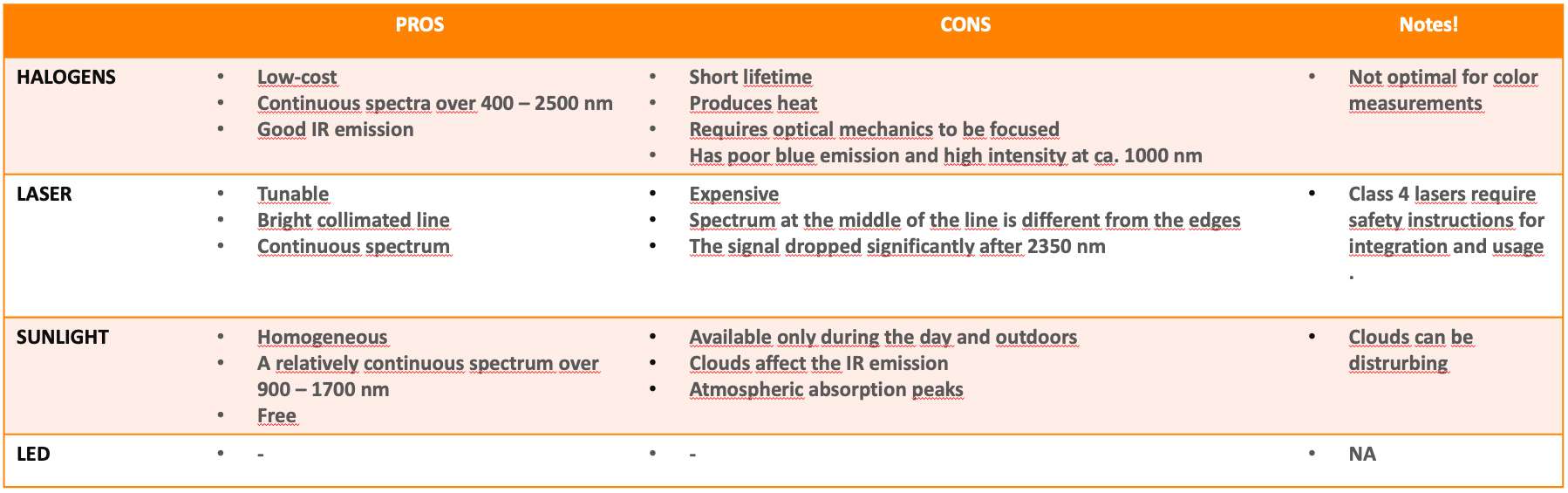
Figure 18: Pros and cons of different illumination methods. The fields for LEDs are empty as LEDs have not been tested up to 2,500 nanometers.
Why use hyperspectral imaging?
Hyperspectral imaging comes with many advantages summarised below.
- Non-invasive and non-destructive method. We don’t need to touch the samples to investigate them.
- Replaces manual/visual inspections with something more metric and objective.
- Replaces time-consuming lab tests, since we can measure a lot of spectra at the same time, unlike with point spectrometers.
- Real-time inspection, for example, placed on top of a conveyor.
- Covers 100% of the product stream. We don’t need to take something to measure it offline or at-line.
- Improves chemical grading, since we can make an accurate mapping of the different properties.
- Close to 100% accuracy. In chemometry, we cannot achieve 100% accuracy, but hyperspectral imaging comes close at 95-99%.
- Detects a range of characteristics simultaneously. Thanks to chemometrics, we can measure and identify different parameters at the same time.
- Limitless amount of applications.
If you’d like to know more about our offering in the SWIR spectral range, arrange a demo or ask for a quote, please contact us!